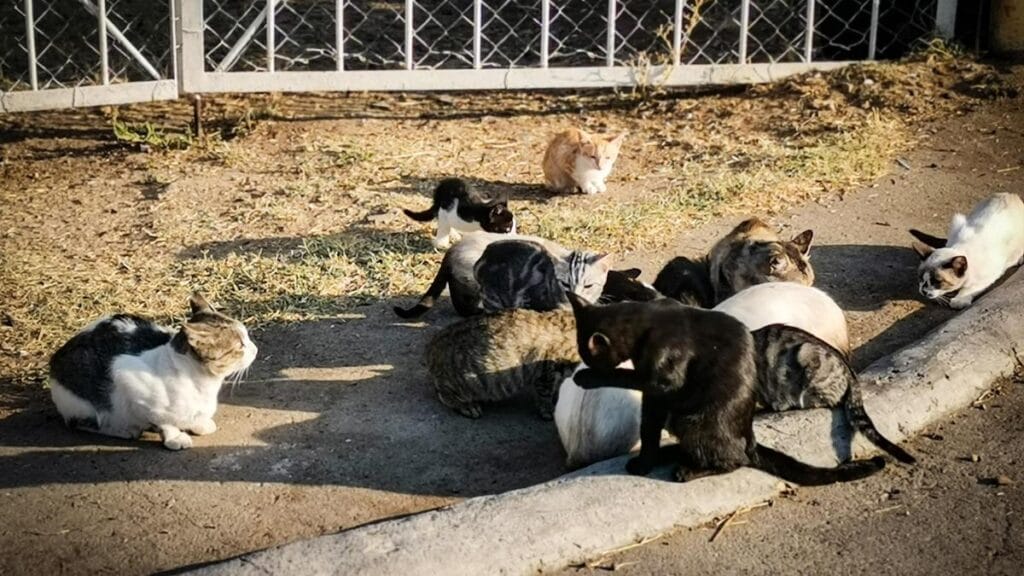
Community cat management in Spain is experiencing a historic transformation.
Since the implementation of Spain’s Animal Welfare Law 7/2023, municipalities are now legally responsible for implementing TNR programs (Trap–Neuter–Return) and ethically managing community cat colonies.
However, an important challenge remains:
many municipalities still lack digital tools capable of organizing information, coordinating volunteers, and transforming daily fieldwork into useful data for decision-making.
That is exactly where Meow Metrics comes in.
The Biggest Problem in Community Cat Management
For years, community cat management has depended almost entirely on volunteer efforts.
Thousands of colony caregivers have maintained TNR projects using:
- WhatsApp groups;
- Excel spreadsheets;
- phone calls;
- handwritten notes;
- and improvised communication systems.
Meanwhile, municipalities often lack:
- reliable data;
- updated colony censuses;
- health traceability;
- coordination between stakeholders;
- and proper monitoring tools.
The result is often reactive, slow, and difficult-to-justify management in front of residents, municipal technicians, or political representatives.
At the same time, all the knowledge accumulated by colony caregivers remains largely invisible.
What Is Meow Metrics?
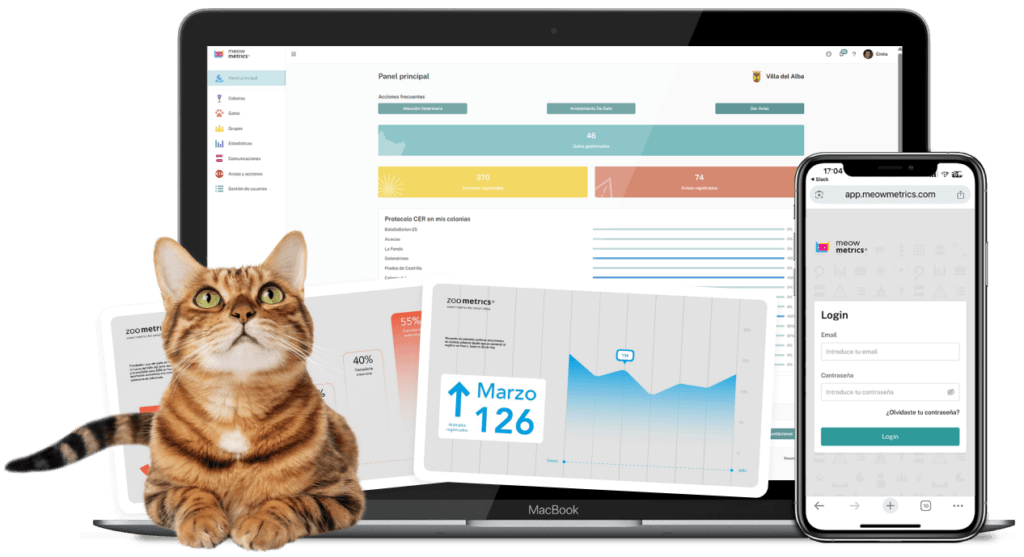
Meow Metrics is a community cat management software platform specifically designed for municipalities, colony caregivers, veterinarians, and animal welfare organizations.
It is a collaborative digital infrastructure that allows users to:
- register cat colonies;
- geolocate incidents;
- manage community cat censuses;
- coordinate TNR programs;
- track veterinary treatments;
- generate automatic reports;
- and improve communication between municipalities and volunteers.
All within a single digital ecosystem.
The platform transforms scattered information into clear, traceable, and actionable public management data.
Why Data Matters in TNR Programs
One of the biggest weaknesses of many municipal TNR programs is the lack of measurable information.
American Bird Conservancy – TNR, Outdoor Cats and Biodiversity Concerns
Without data, it becomes impossible to answer key questions such as:
- How many cats exist in the municipality?
- What percentage is sterilized?
- Where are new litters appearing?
- Which colonies generate the most incidents?
- How many volunteer hours are invested?
- What veterinary costs exist?
- Where do repeated abandonment cases occur?
Smart community cat management requires data.
And in reality, that data already exists.
The problem is that it is usually lost between messages, calls, spreadsheets, and disconnected documents.
Meow Metrics converts this daily information into a structured foundation for:
- municipal planning;
- public health;
- animal welfare;
- neighborhood conflict prevention;
- grant applications;
- and public funding justification.
A Platform Designed for Both Volunteers and Municipalities
One of the main differences between Meow Metrics and other applications is that it was designed from inside the sector itself.
The platform was created through real experience in municipal management and volunteer-based TNR programs.
Its goal is not to create conflict between colony caregivers and municipalities.
Quite the opposite.
The platform is designed to strengthen collaboration, traceability, and communication between:
- colony caregivers;
- municipal technicians;
- veterinarians;
- animal welfare organizations;
- and public officials.
Meow Metrics works as a bridge between the street and public administration.
Community Cat Management and Smart Cities
More and more cities now understand that urban biodiversity and animal welfare are part of intelligent municipal management.
Community cat management is no longer viewed only as an animal welfare issue.
It is also connected to:
- public health;
- neighborhood coexistence;
- urban sustainability;
- digital governance;
- the One Health approach;
- and Smart Cities.
Meow Metrics fits directly into the GovTech and Smart City ecosystem, allowing municipalities to integrate real-world data into public decision-making processes.
The platform is even designed to integrate with GIS systems, digital twins, and other municipal technologies.
How Meow Metrics Helps Municipalities Comply with Law 7/2023
Many municipalities want to implement ethical TNR programs but face several operational barriers:
- lack of time;
- limited staff;
- insufficient technical knowledge;
- absence of management tools;
- and difficulties coordinating volunteers.
Meow Metrics simplifies this process significantly.
The platform helps municipalities:
- create colony censuses;
- register colonies;
- document interventions;
- generate reports;
- maintain health traceability;
- and organize collaboration with volunteers.
It also allows municipalities to generate technical reports and documentation useful for animal welfare funding and TNR-related grants.
Technology Serving Animal Welfare
The goal of Meow Metrics is not simply to digitalize information.
The vision is much broader.
The platform seeks to professionalize animal welfare management through:
- data intelligence;
- geolocation;
- traceability;
- interoperability;
- predictive analytics;
- and citizen participation.
All while preserving the essential human component behind every TNR program: colony caregivers.
Because technology does not replace volunteers.
Technology helps their work gain more impact, recognition, and transformative power within municipalities.
The Future of Community Cat Management
Spain is moving toward a new model of public animal welfare management.
A model where:
- colony caregivers are no longer invisible;
- municipalities work with real data;
- decisions become traceable;
- coexistence improves;
- public health is strengthened;
- and TNR programs become professionalized.
Community cat management can no longer depend exclusively on Excel spreadsheets and WhatsApp groups.
The future requires tools capable of coordinating people, data, and territory intelligently.
And that is exactly what Meow Metrics aims to provide.
https://www.alleycat.org/resources/trap-neuter-return-research-compendium/?utm