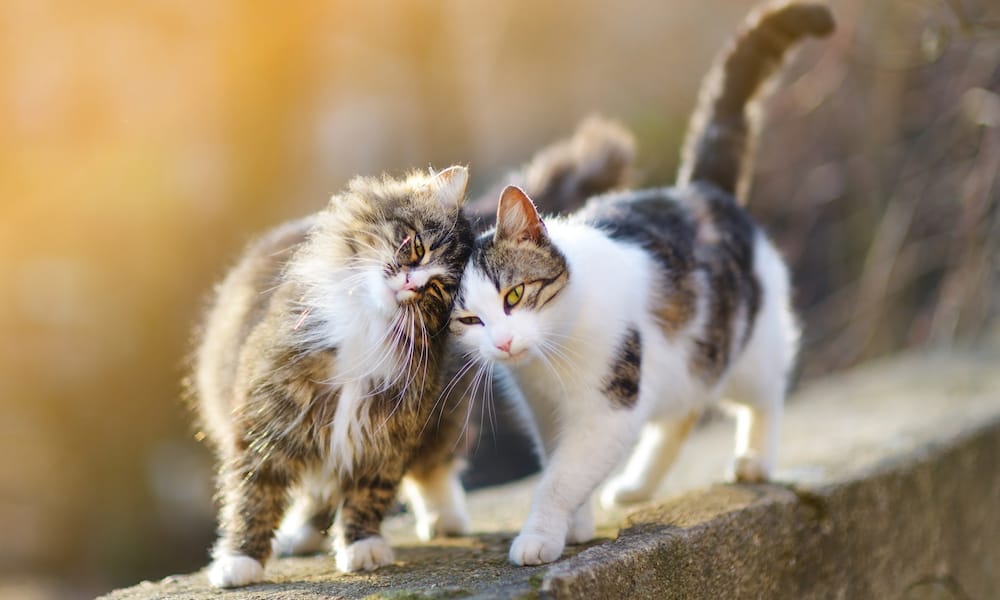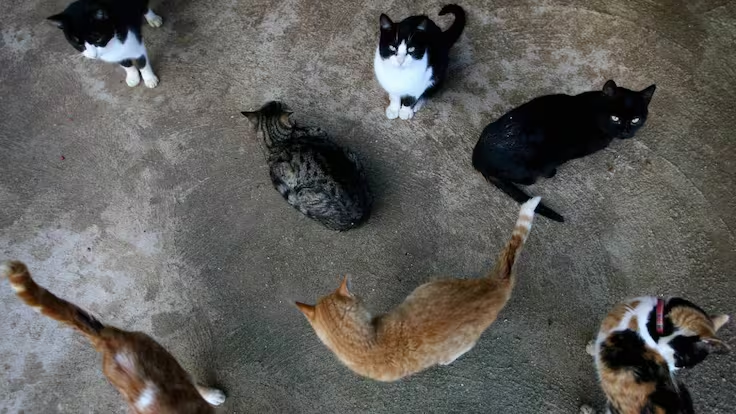
Community Cat Management Has Changed Forever in Spain
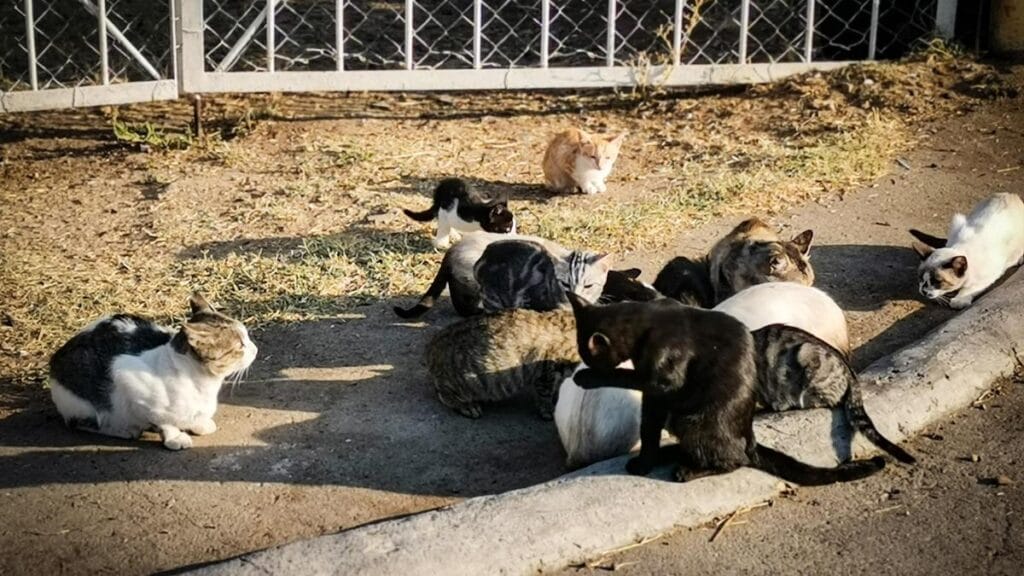
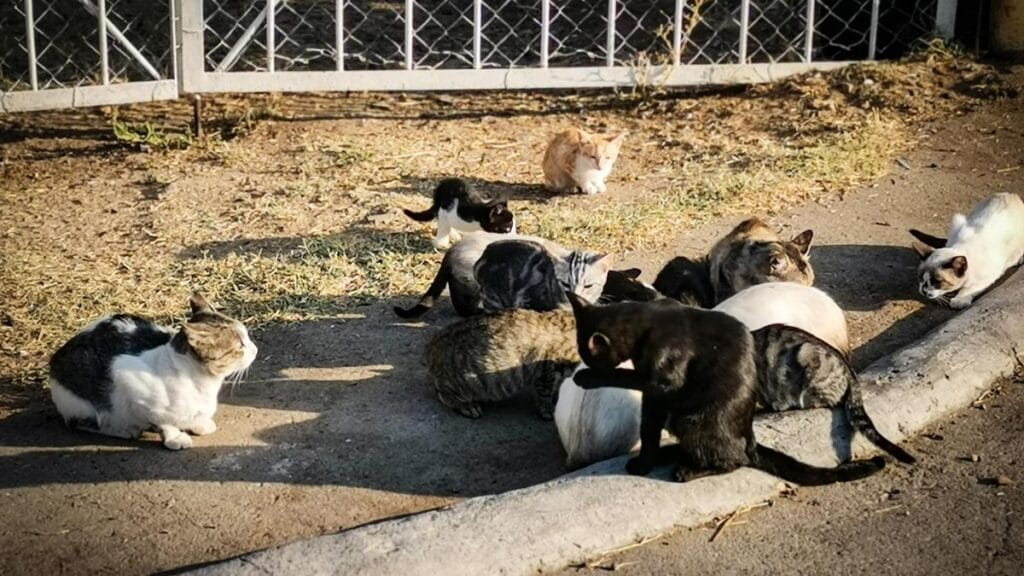
Community cat management in Spain has changed permanently. Since the implementation of Spain’s Animal Welfare Law 7/2023, municipalities are now legally required to establish TNR programs (Trap–Neuter–Return) and manage community cat colonies ethically.
However, the reality is that many municipalities have still not taken the first step.
Not always because of a lack of interest.
In many cases, the problem is a lack of time, resources, organization, or proper tools.
And this raises an important question for animal welfare organizations and colony caregivers:
How do you speak with politicians or municipal technicians in a way that truly motivates them to support a TNR program?
The answer is not simply about talking about cats.
The Most Common Mistake When Proposing a Municipal TNR Program
Very often, when an organization or colony caregiver tries to explain the need for a TNR program to a municipality, the conversation focuses exclusively on animal welfare:
- there are too many cats on the streets;
- sterilizations are insufficient;
- new litters keep appearing;
- volunteers are exhausted.
All of this is true.
But from an institutional perspective, it is usually not enough to generate immediate action.
Public officials face a completely different daily reality:
- neighborhood conflicts;
- political pressure;
- lack of staff;
- fear of making mistakes;
- administrative overload;
- constant criticism from both opposition parties and citizens.
That is why, when discussing municipal community cat management, it is essential to change the framework of the conversation.
A TNR Program Is Not Only About Animal Welfare
A well-organized TNR program does not only protect community cats.
It also helps municipalities:
- reduce neighborhood conflicts;
- improve urban coexistence;
- prevent public health problems;
- organize communication with colony caregivers;
- gain real data and traceability;
- justify grants and public budgets;
- and professionalize municipal management.
This is the moment when many public officials begin paying attention.
Because they stop seeing TNR as “another problem” and start seeing it as a tool for organization, prevention, and governance.
During Election Periods, Municipalities Look for Visible Solutions
There is an important political reality that many organizations overlook: context matters.
As local elections approach, municipalities actively search for projects that:
- generate positive public impact;
- reduce criticism;
- project modernization;
- and can be presented as tangible improvements for the municipality.
A well-implemented municipal TNR program can become exactly that.
Imagine the political value of:
- becoming the first municipality in the region to digitalize community cat management;
- implementing an official community cat census;
- establishing formal collaboration with colony caregivers;
- professionalizing volunteer coordination;
- generating measurable reports and real data;
- and complying with Spain’s Animal Welfare Law 7/2023.
All of this allows municipalities to project an image of:
- innovation;
- transparency;
- efficient governance;
- urban coexistence;
- and citizen collaboration.
The Key Is Not Confrontation — It Is Facilitation
One of the biggest communication mistakes in community cat management is entering into direct confrontation with municipalities.
Most local governments do not need more emotional pressure.
They need realistic tools that allow them to act.
That is why the most effective communication approach is often:
❌ “You have done nothing for years.”
✅ “There is an organized and realistic way to solve this.”
❌ “The municipality is the problem.”
✅ “Municipalities and colony caregivers can work together.”
❌ “This is a fight.”
✅ “This improves coexistence for everyone.”
This shift in narrative is essential for unlocking municipal TNR projects.
Technology and Smart Community Cat Management
This is where an increasingly important concept within Smart Cities and digital governance becomes relevant: intelligent community cat management.
For years, many municipalities have attempted to manage colonies using:
- WhatsApp groups;
- Excel spreadsheets;
- phone calls;
- scattered documents;
- and decentralized information systems.
The problem is that this makes it nearly impossible to:
- measure results;
- plan resources;
- justify budgets;
- improve transparency;
- coordinate volunteers;
- and maintain health traceability.
That is why specialized technological tools for municipal TNR management, such as Meow Metrics, are emerging to help municipalities, veterinarians, and colony caregivers work together through a shared digital infrastructure.
Digitalization Turns Invisible Work into Real Data
Digitalizing community cat management allows municipalities to:
- register geolocated colonies;
- track sterilizations;
- report incidents;
- generate automatic reports;
- improve health traceability;
- and coordinate volunteers and municipal teams.
Most importantly, it transforms years of invisible volunteer work into measurable and actionable public data.
Data Is Becoming the New Language Between Volunteers and Municipalities
One of the biggest transformations happening within the sector is this:
colony caregivers are no longer only caring for cats.
They are also generating valuable information for public decision-making.
Every report involving:
- a new cat;
- a litter;
- illness;
- neighborhood conflict;
- abandonment;
- or a health-related issue;
becomes useful data for municipalities.
And when this data is organized properly, municipalities can:
- anticipate problems;
- justify investments;
- access grants;
- demonstrate measurable results;
- and reduce future costs.
This is why more municipalities are beginning to understand that collaborating with colony caregivers is not a burden.
It is a strategic advantage.
The Future of Community Cat Management Depends on Collaboration
Ethical community cat management cannot continue relying exclusively on the personal efforts of volunteers.
But it also cannot function without them.
The future depends on collaborative models where:
- municipalities provide structure and institutional support;
- colony caregivers provide local knowledge and field experience;
- technology provides coordination and traceability;
- and data enables smarter public decisions.
That is the real paradigm shift.
Community cat management is no longer simply about feeding cats.
It is about building municipalities that are more organized, sustainable, and better prepared to coexist with urban biodiversity.
And more municipalities are beginning to understand that reality.
Meow Metrics