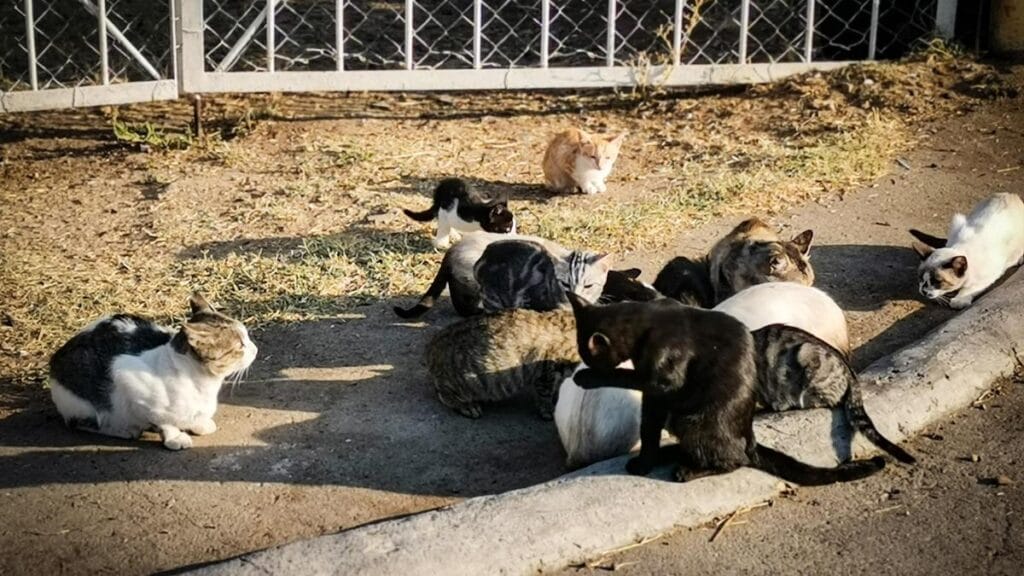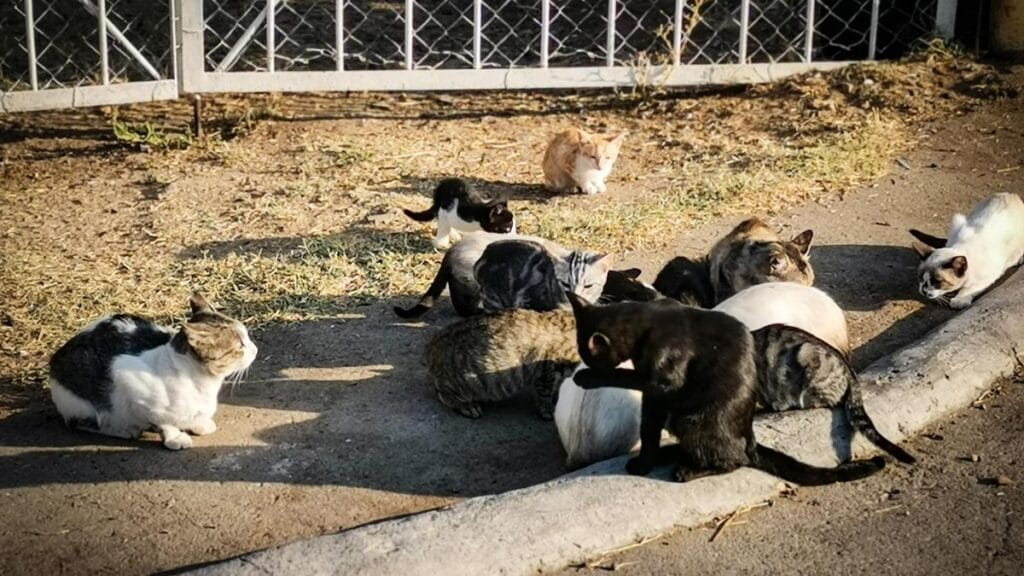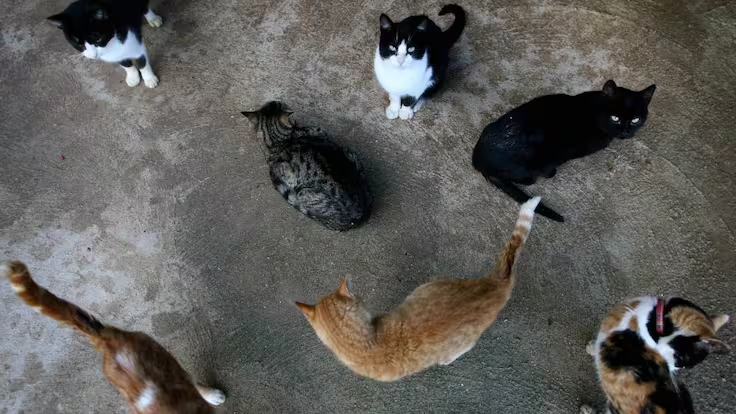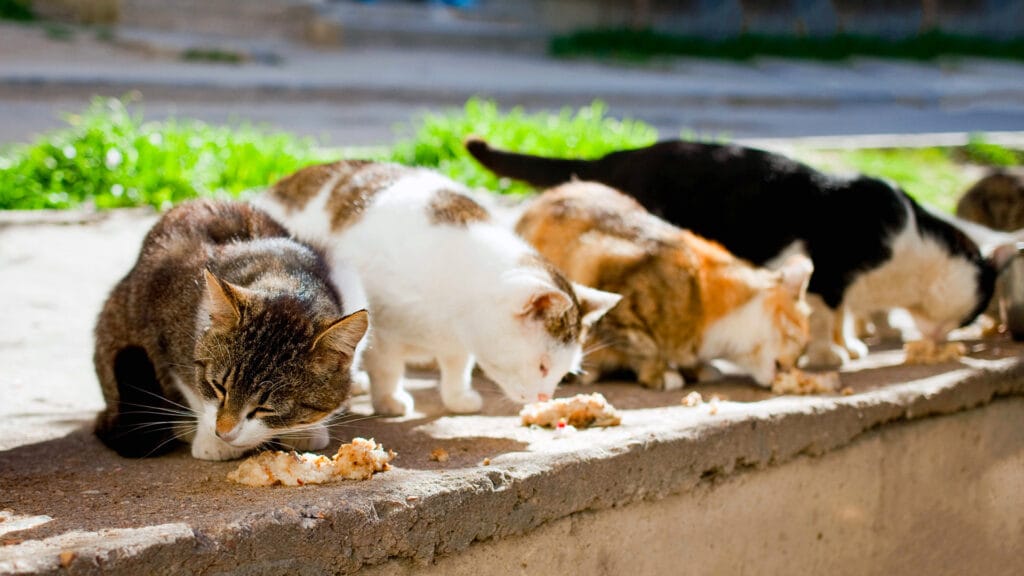
More and more municipalities across Spain are taking an important step forward by including community cat feeding within their municipal TNR programs (Trap–Neuter–Return).
This is undoubtedly positive.
It reflects:
- institutional recognition;
- public involvement;
- and a growing willingness to collaborate with colony caregivers.
However, an increasingly common issue is beginning to emerge — one that is still rarely discussed openly:
the purchase of low-quality cat food based exclusively on cost criteria.
The result is paradoxical:
municipalities invest public funds in food that community cats often refuse to eat, while many colony caregivers continue purchasing alternative food with their own personal resources.
This creates a problem that directly affects:
- animal welfare;
- the efficiency of municipal TNR programs;
- and the effective use of public budgets.
The Problem with Purchasing Cat Food Based Only on Price
In many public procurement processes, the primary decision factor remains the lowest price.
As a consequence, some suppliers secure contracts by offering extremely inexpensive products with nutritional quality that is insufficient for community cats living outdoors.
What happens next is predictable:
- cats reject the food;
- colony caregivers continue buying alternative food independently;
- significant quantities of food go to waste;
- and municipalities believe they have solved the issue while the underlying problem remains unresolved.
In practice, this creates a false sense of efficiency.
Because successful community cat management is not simply about “buying food.”
It is about providing food that is genuinely appropriate for the nutritional and health needs of community cat colonies.
Community Cat Feeding Is Directly Connected to Public Health and Colony Stability
Within a professional municipal TNR program, feeding is not a secondary detail.
It is directly connected to:
- animal health;
- colony stability;
- urban coexistence;
- and public health management.
Poor-quality food can contribute to:
- digestive problems;
- weight loss;
- weakened immune systems;
- increased disease vulnerability;
- greater food dependency;
- and increased waste generation.
Additionally, when cats refuse food, they often disperse in search of alternative feeding sources, increasing the likelihood of:
- garbage scavenging;
- food waste around urban areas;
- and neighborhood conflicts linked to unmanaged feeding situations.
For this reason, professional community cat management requires feeding strategies based on technical and veterinary criteria — not exclusively on short-term economic considerations.
In TNR Programs, Cheap Often Becomes More Expensive
Many municipalities operate with highly limited resources.
This is especially true for small and medium-sized municipalities attempting to comply with Spain’s Animal Welfare Law 7/2023 with restricted staffing and tight budgets.
Precisely because resources are limited, efficient spending becomes even more important.
And this is where an important reality emerges:
low-cost food that is rejected or poorly utilized ultimately becomes far more expensive than purchasing appropriate nutrition from the beginning.
Because those wasted resources could instead support:
- sterilization campaigns;
- veterinary care;
- identification systems;
- awareness campaigns;
- or improved colony infrastructure.
When purchased food ends up unused or discarded, municipalities do not simply lose money.
They lose operational efficiency within the TNR program itself.
Colony Caregivers Hold Essential Practical Knowledge
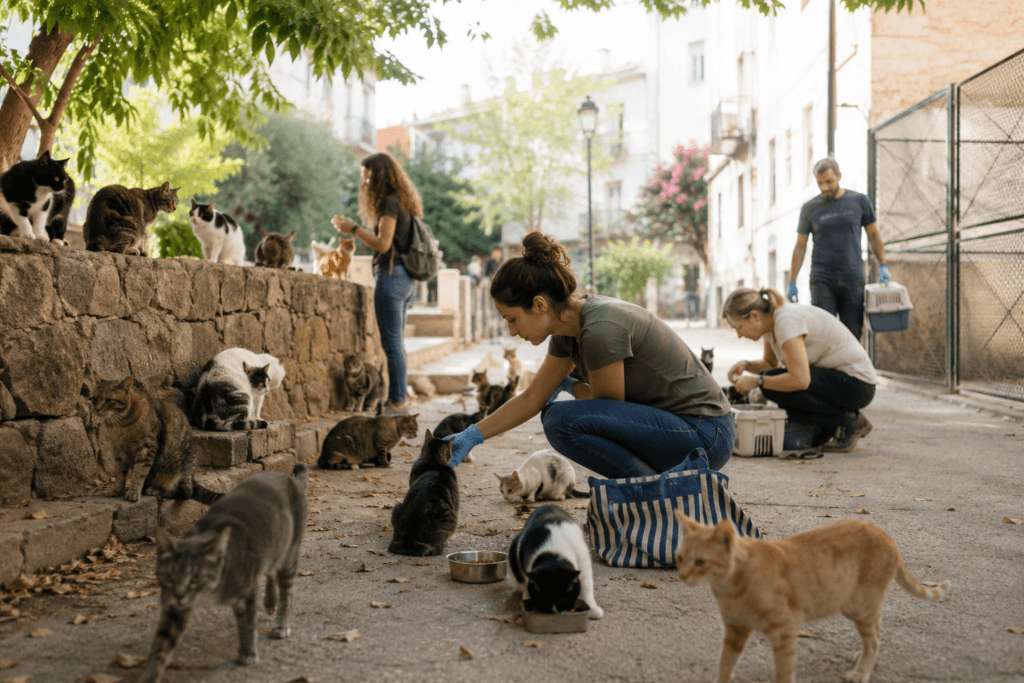
Colony caregivers understand this reality better than anyone else.
They are the people who observe daily:
- which food cats actually accept;
- which products generate digestive issues;
- which animals begin losing weight;
- and which feeding strategies improve colony stability.
For this reason, excluding colony caregivers from decisions related to feeding programs is often a major mistake.
Modern community cat management must recognize that volunteers are not part of the problem.
They are an essential part of the solution.
Their local knowledge, practical experience, and daily monitoring provide enormous value for municipal technicians and public administrations.
How Municipalities Can Improve Public Procurement for Community Cat Feeding
The solution does not necessarily require dramatically increasing budgets.
In many cases, municipalities simply need to introduce minimum technical criteria into procurement processes.
For example:
1. Establish Minimum Nutritional Standards
Define appropriate protein and fat requirements adapted to outdoor community cat populations.
2. Evaluate Food Quality — Not Only Price
Procurement processes should also assess:
- digestibility;
- ingredient composition;
- nutritional quality;
- and expected acceptance rates.
3. Consult Veterinarians and Colony Caregivers
Include practical field experience from the people directly involved in daily colony management.
4. Conduct Pilot Feeding Trials
Before large-scale purchases, evaluate food acceptance across different colonies.
5. Measure Results
Track:
- food consumption;
- acceptance rates;
- waste levels;
- and health indicators.
These types of decisions help municipalities professionalize community cat management while improving the efficiency of public spending.

Technology and Intelligent Animal Welfare Management
Digitalization can also help municipalities detect and prevent these problems.
Community cat management platforms allow municipalities to record:
- feeding observations;
- veterinary incidents;
- colony health evolution;
- and caregiver feedback.
This transforms fragmented experiences into structured operational data.
When municipalities have access to organized information, they can:
- identify recurring problems;
- optimize purchasing decisions;
- reduce waste;
- and make evidence-based policy decisions.
Intelligent animal welfare management is not only about reacting to problems.
It is about anticipating and preventing them.
And that requires data.
Professionalizing TNR Programs Also Means Paying Attention to These Details
Spain’s Animal Welfare Law 7/2023 has fundamentally changed the landscape of community cat management.
Municipalities can no longer approach this issue through improvisation alone.
Today, professional TNR programs require:
- planning;
- coordination;
- traceability;
- collaboration with volunteers;
- and clear technical criteria.
Feeding strategies are part of that professionalization process.
Because managing a community cat colony properly is not simply about feeding cats.
It is about building sustainable urban coexistence, public health, and long-term animal welfare.
And sometimes, improving a municipal TNR program does not require massive investments.
Sometimes it simply requires listening more carefully to the people who have been sustaining this work for years.
- Alley Cat Allies – Community Cats and Trap-Neuter-Return (TNR)
- Community Cats Central – Training and Resources for Colony Caretakers