How Spain’s New Animal Welfare Law 7/2023 Is Transforming Community Cat Management Through the TNR Protocol
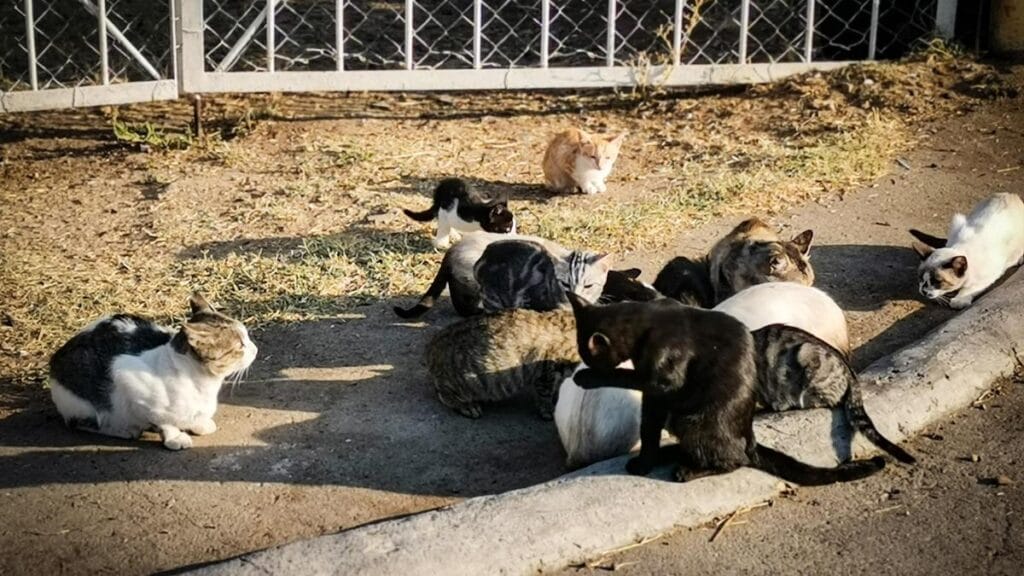
The recent implementation of Spain’s Animal Welfare Law 7/2023, approved on March 28, has marked a turning point in the management of feline populations across the country. This legislation, focused on protecting animal rights and welfare, introduces an innovative framework that is transforming how municipalities manage community cat colonies. In this article, we explore how the TNR protocol (Trap–Neuter–Return) has become a key tool in achieving the animal welfare objectives established by the law.
Law 7/2023 and the TNR Protocol: A Major Step Forward in Community Cat Management
The TNR protocol is based on three fundamental principles: trapping, neutering, and returning community cats. This approach not only helps control feline populations in an ethical and sustainable way, but also aims to preserve animal welfare while minimizing the impact on urban environments.
With the implementation of this legislation, Spain is moving toward a gradual reduction in unmanaged cat colonies while simultaneously improving the quality of life of community cats and promoting better coexistence between animals and local communities.
Technical Guidelines: An Essential Resource for Municipalities
To support municipalities in effectively implementing the TNR protocol, Spain’s General Directorate for Animal Rights has developed a Technical Guideline document. This resource provides the technical foundations and operational knowledge necessary for local administrations to develop Community Cat Colony Management Programs aligned with Article 39 of Law 7/2023.
The Technical Guideline is designed as a practical framework that offers different management scenarios and operational options. Its objective is to help each municipality adopt the most suitable model according to its:
- territorial characteristics;
- organizational capacity;
- and available resources.
This flexibility is essential, as every municipality faces unique challenges in managing community cat colonies.
Collaboration and Adaptation: Key Elements for Successful TNR Programs
This effort is not being developed in isolation. The Technical Guideline was created in collaboration with:
- autonomous communities and cities;
- municipal federations;
- veterinary associations;
- and animal protection organizations.
Thanks to the contribution of these stakeholders, the document reflects extensive and up-to-date knowledge regarding feline population management.
In addition, the Guideline will continue evolving over time, incorporating new evidence, field experience, and operational improvements. This ensures that it remains relevant and useful for municipalities as public policies related to community cats continue to develop.
The Future of Animal Welfare in Spain: A Collective Effort
Law 7/2023 and the TNR protocol represent a major step forward for animal welfare in Spain.
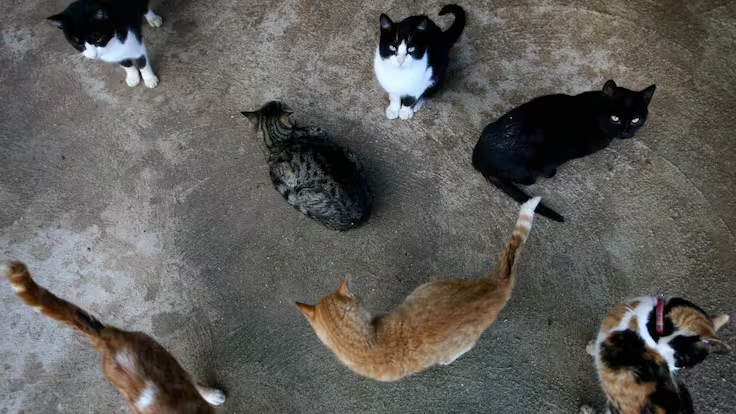
The collaboration between municipalities, veterinarians, volunteers, and animal welfare organizations — combined with practical tools such as the Technical Guideline — is essential to creating a positive and sustainable impact on community cat management.
This collective effort will allow municipalities to address the challenge more effectively while promoting balanced coexistence between community cats and urban communities.
Why Digital Tools Will Also Play an Important Role
As municipalities continue implementing TNR programs under Law 7/2023, digital transformation is becoming increasingly important.
Managing community cat colonies requires:
- updated censuses;
- veterinary traceability;
- incident monitoring;
- volunteer coordination;
- and reliable data for public decision-making.
This is why many municipalities are beginning to adopt specialized digital platforms capable of transforming fragmented information into structured and actionable data.
The future of community cat management in Spain will not depend only on legislation.
It will also depend on collaboration, organization, and intelligent tools capable of supporting long-term municipal animal welfare strategies.
Conclusion
Spain’s Animal Welfare Law 7/2023 represents one of the most significant advances in ethical community cat management in recent years.
By promoting structured TNR programs, collaboration between stakeholders, and evidence-based management practices, the legislation establishes a stronger foundation for animal welfare and urban coexistence.
As municipalities continue adapting to this new legal framework, the combination of public policy, field experience, and technological innovation will play a decisive role in shaping the future of community cat management in Spain.