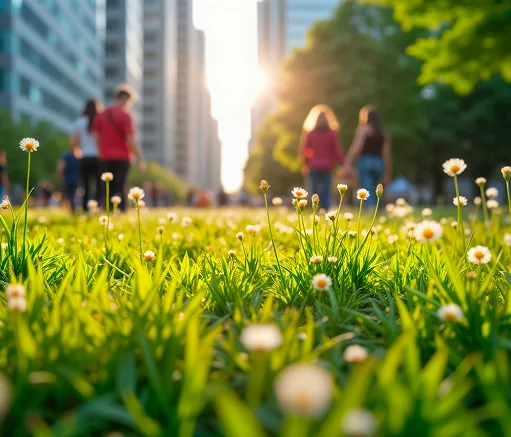
Because caring for urban life — all forms of life — is one of the first steps toward building healthier, more sustainable and more balanced communities.
For years, when we talked about biodiversity, we imagined distant places: jungles, oceans, natural reserves or remote ecosystems filled with exotic wildlife.
And when we thought about environmental conservation, we often associated it with protecting spectacular landscapes far away from our everyday lives.
But biodiversity is not only “somewhere else.”
It also exists in our cities.
In the parks and gardens we walk through every day.
In the birds nesting on the roofs of our buildings.
In the insects pollinating the trees that provide shade during summer.
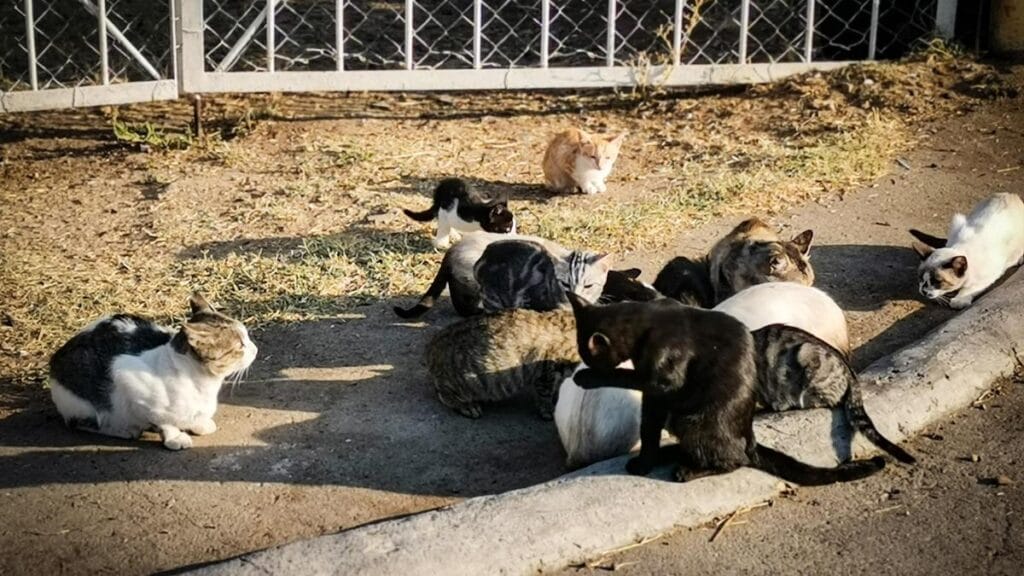
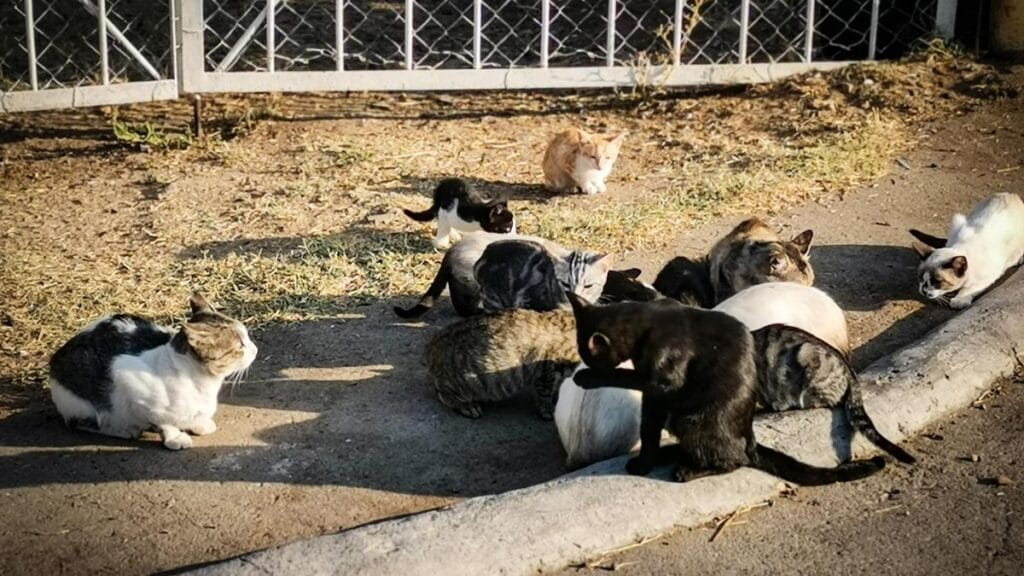
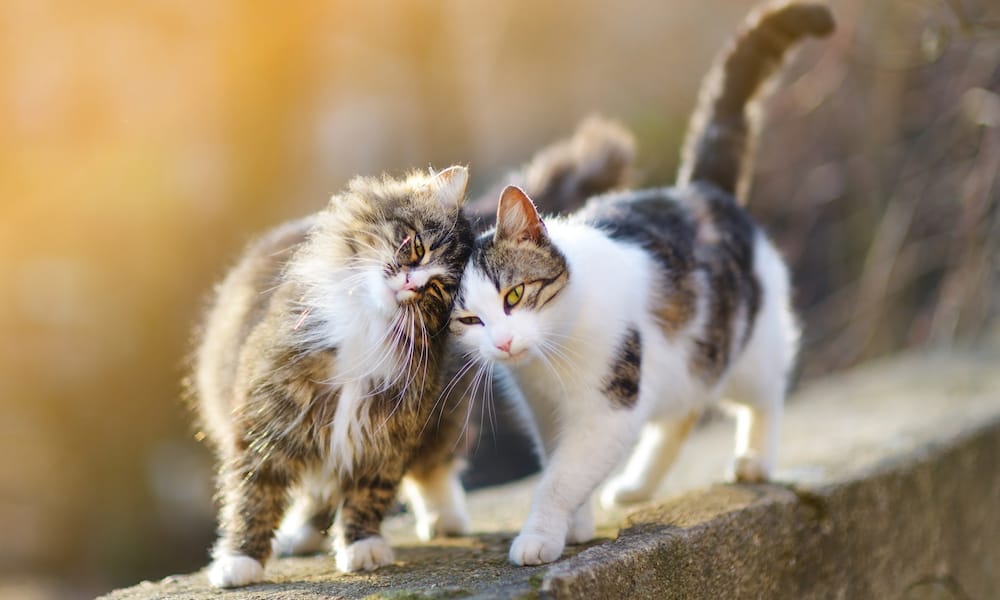
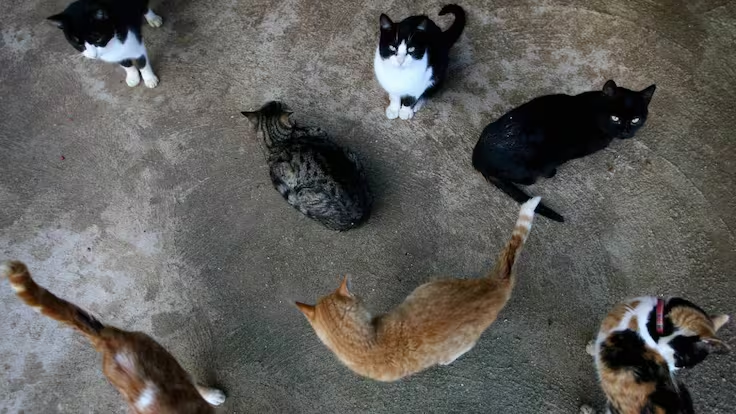
In the community cats that have become part of the urban ecosystem.
And even in the species that unexpectedly adapt to urban life alongside us.

We celebrate when storks return to nest on church towers.
We notice when wild boars appear again near residential areas in the Sierra.
We observe monk parakeets occupying city parks, raccoons appearing along riverbanks, or invasive species such as Asian hornets expanding across different regions of Spain.
Urban biodiversity surrounds us constantly, even if we rarely stop to think about it.
And this is precisely why cities are becoming increasingly important in conversations about sustainability, environmental management and coexistence between humans and wildlife.
Because protecting biodiversity no longer means focusing only on remote natural spaces.
It also means learning how to better understand, monitor and manage the ecosystems that already exist where millions of people live every day.
Nature never left: it is still here, between sidewalks, rooftops, and gardens. In every community cat, in every sparrow, in the trees filtering the air we breathe.
Cities are now the new habitat for millions of species — ourselves included: animals, plants, insects… And, for better or worse, there has been an unstoppable trend for years: rewilding, or the renaturalization of cities. Not only to mitigate high temperatures or absorb carbon, but also to improve urban quality of life.
Have you heard that recommendation saying the ideal is to have three trees visible from your window and a park less than 300 meters away? For mental health, physical health, and because they make our cities more beautiful and healthier places to live.
Understanding how we coexist within this shared ecosystem is essential for the future. It is not only about protecting animals: it is about public health, well-being, and balance.
About encouraging outdoor activity in pleasant environments, promoting environmental education in parks near schools, enjoying the sight of a mother duck with her ducklings, or photographing storks preparing for their journey south.
And if, in addition to living alongside these creatures, we knew how many there are, where they are, and how they interact… If, beyond simply knowing them, we truly understood them… wouldn’t it be incredible to anticipate interactions, prevent infestations, or detect critical areas? To know what kind of nature exists in our municipality, so we can feel proud of it? And to raise our children by teaching them to know and care for their environment?
That is precisely our dream.
At Zoometrics, we believe that data can become a bridge between science, citizens, and public administration. That measuring urban biodiversity is not an end in itself, but a tool to protect it. That is why we work alongside municipalities, volunteers, and technicians to transform this complexity into clear, collaborative, and human-centered decisions.
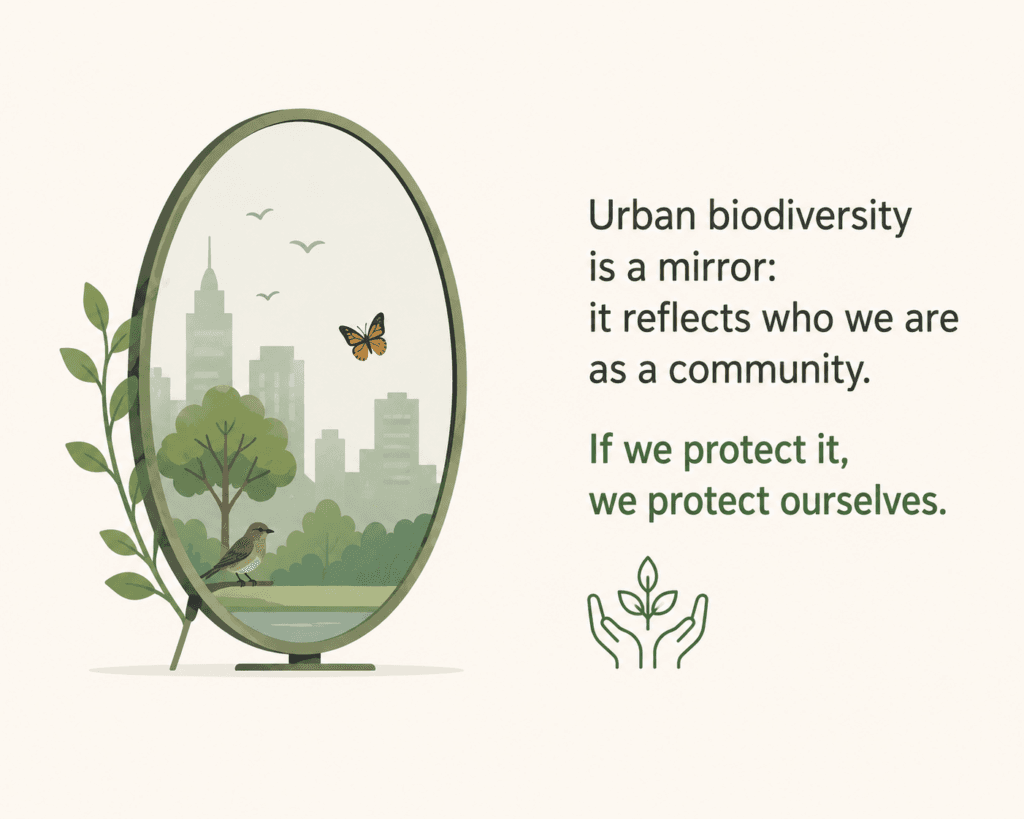
The future of our cities begins here, in the places where life still thrives.
And that future — with data, collaboration, and determination — is something we can build together.
Have you stopped to notice how much life exists on your street? Start there 😉
https://academic.oup.com/bioscience/article/71/2/148/6102678
American Bird Conservancy – TNR, Outdoor Cats and Biodiversity Concerns