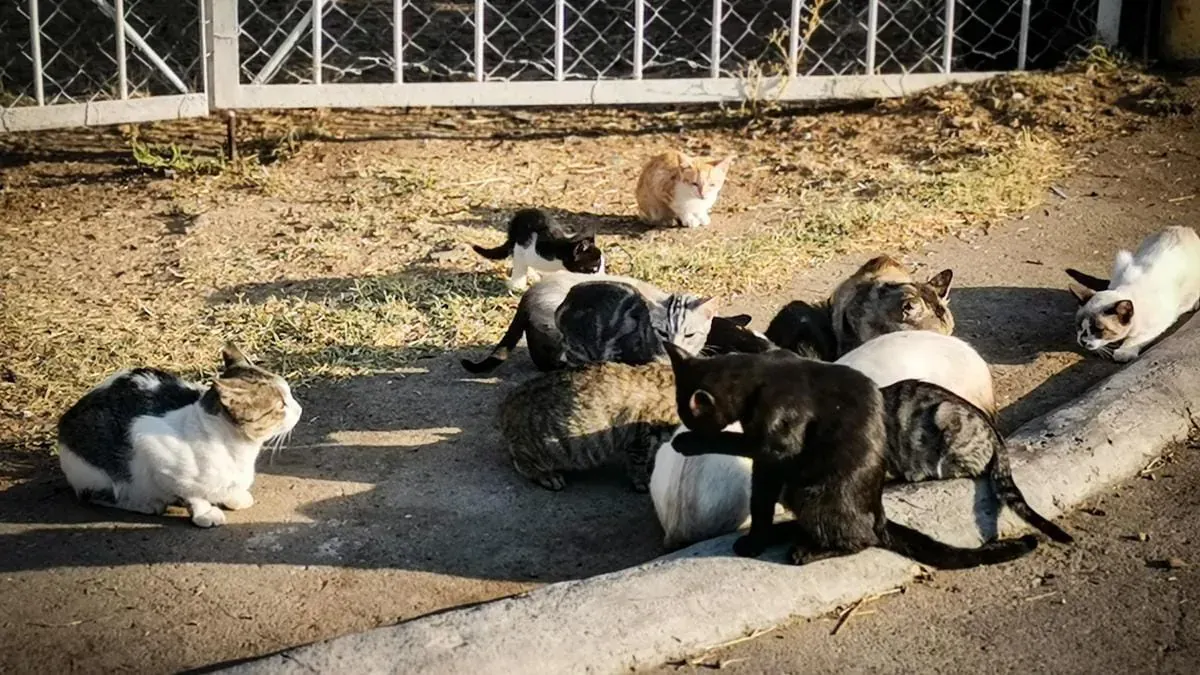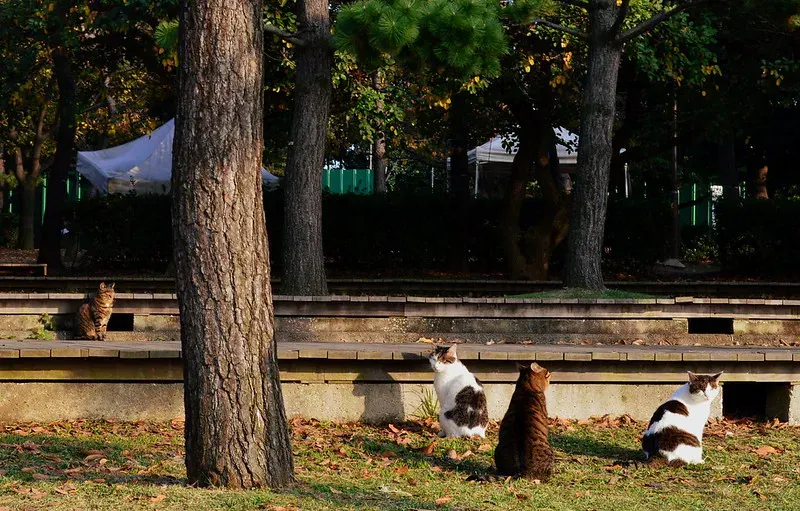
Community Cat Management in Spain Is Entering a Critical Moment — and Many Municipalities Still Do Not Realize It
It is May 2026. In exactly one year, municipal elections will take place across Spain. That means many local governments are entering a period where they need visible, useful projects capable of creating a direct and positive impact on urban coexistence within their municipalities.
And this is where an important reality emerges:
Ley 7/2023 de bienestar animal (Spain’s Animal Welfare Act) has already been in force for several years, yet many municipalities still have not implemented a real, structured, and professional municipal TNR (Trap-Neuter-Return) project.
However, they are still in time to change that.
TNR Is No Longer a Secondary Option for Municipalities
Ethical community cat management through the TNR method is now part of the municipal obligations established under Spanish legislation.
More and more municipal technicians, council members, and mayors are beginning to understand that community cat colonies can no longer be managed exclusively through phone calls, WhatsApp groups, Excel spreadsheets, or improvised interventions.
Citizens are demanding solutions.
Colony caregivers are demanding coordination.
And municipalities need tools capable of organizing the situation properly.
Because the problem does not disappear simply by ignoring it.
In fact, municipalities that still have not developed a structured municipal TNR project often face the same recurring problems:
- lack of reliable data about community cat colonies;
- absence of updated censuses;
- recurring neighborhood conflicts;
- volunteer burnout;
- difficulties justifying public budgets;
- and lack of coordination between municipalities, caregivers, and veterinarians.
This is why more public administrations are beginning to understand that professionalizing community cat management is not only about animal welfare.
It is also about:
- urban coexistence;
- public health;
- organization;
- and municipal efficiency.
A Municipal TNR Project Can Also Become a Positive Political Opportunity
Many municipalities still have not taken action.
But precisely because of that, there is currently a very clear opportunity.
The governing team that implements a municipal TNR project today could become the first in the municipality’s history to do so in a real and organized way.
The first to:
- officially coordinate with colony caregivers;
- start collecting real census and colony data;
- digitalize community cat management;
- reduce neighborhood conflicts;
- improve veterinary traceability;
- professionalize municipal TNR management;
- and fully comply with Spain’s Animal Welfare Law 7/2023.
And that has a major impact on public perception.
Because citizens increasingly value projects connected to:
- sustainability;
- urban coexistence;
- animal welfare;
- and modernization of public services.
Especially in medium-sized and small municipalities, where simply organizing something that has operated informally for years can already create a visible and positive transformation.
Colony Caregivers Could Play a Key Role in This New Stage
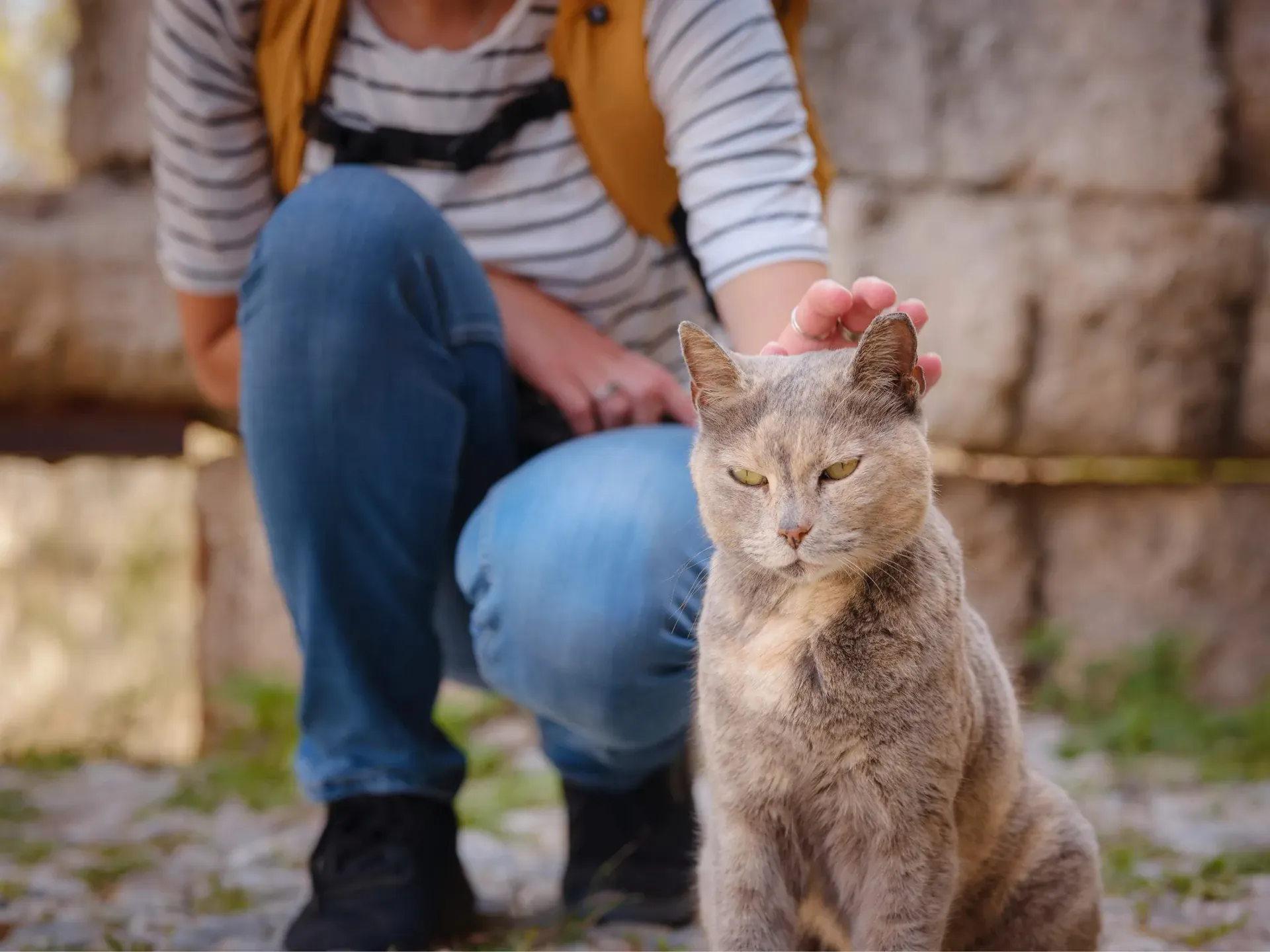
For years, colony caregivers have carried much of the responsibility for community cat management almost entirely on their own.
They have:
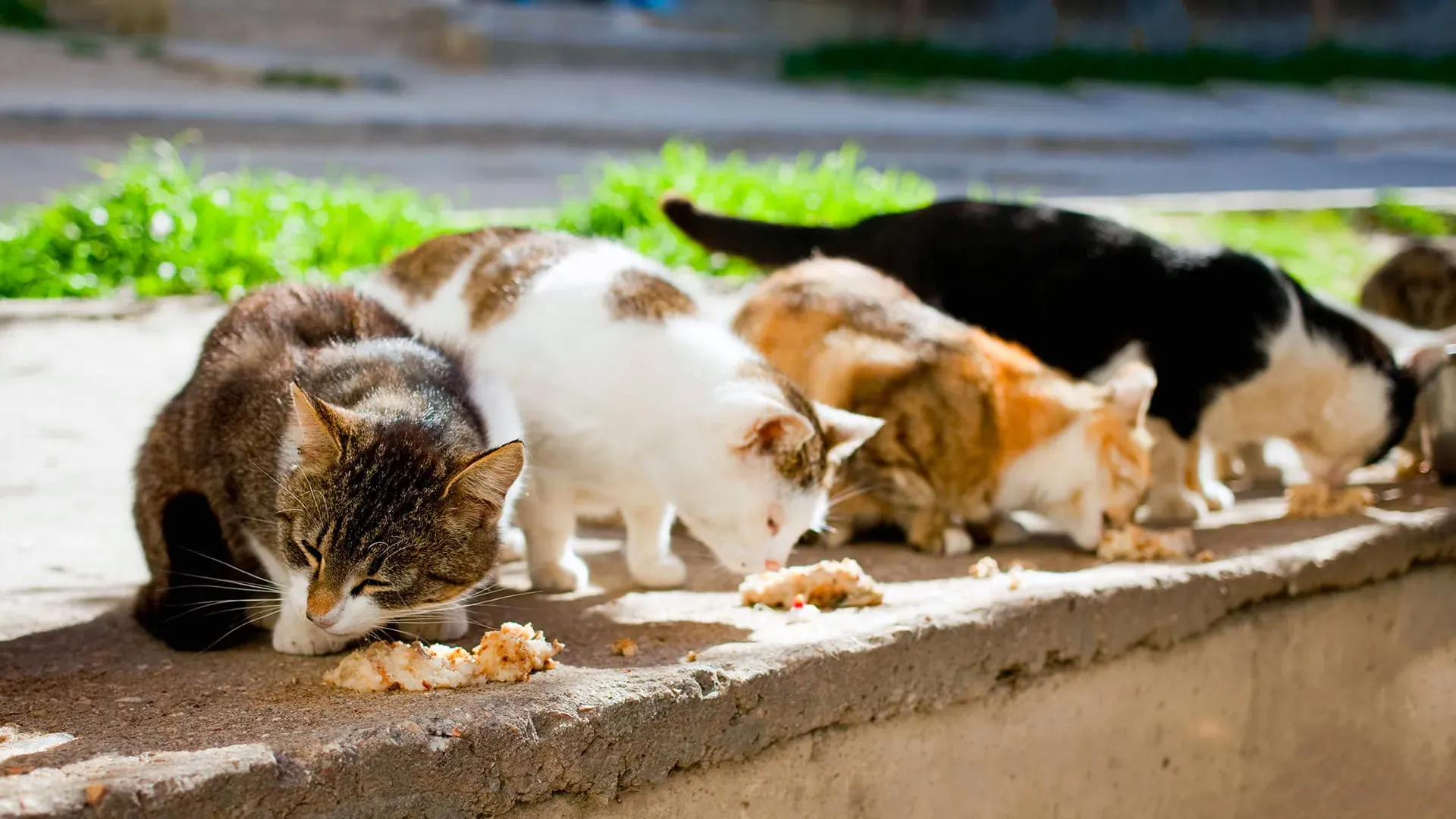
- fed colonies;
- coordinated sterilizations;
- managed adoptions;
- detected illnesses;
- prevented litters;
- and acted as true environmental guardians within their neighborhoods.
And yet, much of this work has remained invisible.
That is precisely why this may now be the right moment to open a new stage of collaboration between municipalities and colony caregivers.
Not through conflict.
Not through confrontation.
But through solutions.
Because today there are already technological tools capable of structuring and professionalizing a municipal TNR project without overwhelming local administrations or dramatically increasing public spending.
And this is where digitalization begins to make a real difference.
Technology and Smart Cities Applied to Community Cat Management
Digital transformation is also reaching animal welfare and urban biodiversity management.
More and more municipalities are adopting GovTech tools and Smart City solutions to manage resources, incidents, and public policies more efficiently.
Community cat management is no exception.
Today, municipalities can use platforms capable of:
- geolocating community cat colonies;
- registering individual cats and colony censuses;
- coordinating volunteers and municipal technicians;
- recording incidents and interventions;
- generating automatic reports;
- improving veterinary traceability;
- obtaining data for public grants;
- and reducing administrative workload.
All of this generates something essential for any public administration:
planning capacity.
Because when clear data and coordination exist, municipalities stop reacting constantly to emergencies and begin managing situations proactively and strategically.
The Future of Municipal Management Depends on Data
One of the greatest transformations brought by TNR digitalization is that many things that were previously invisible can now be measured.
Volunteer hours.
Sterilization numbers.
Active colonies.
Health incidents.
New abandonment cases.
Veterinary expenses.
Population evolution.
And this completely changes the conversation.
Because data allows municipalities to:
- justify public budgets;
- access grants and subsidies;
- plan campaigns;
- and demonstrate the real impact of the work carried out both by colony caregivers and local administrations.
At a time when public institutions are increasingly required to demonstrate transparency and efficiency, structured information becomes essential.
Now Is the Time
Many municipalities still have time to take action.
They still have time to:
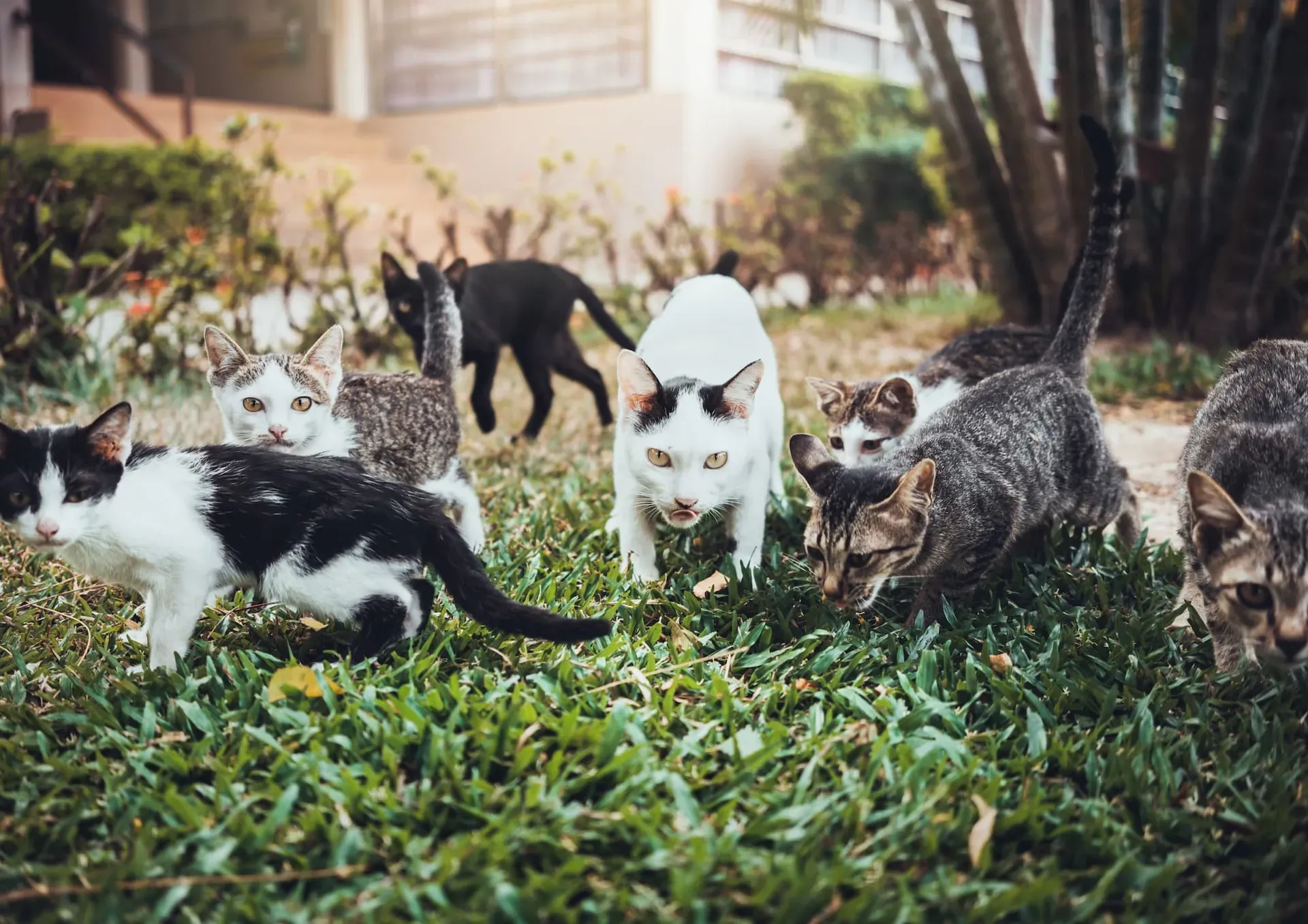
- organize community cat colonies;
- coordinate with colony caregivers;
- start working with real data;
- modernize their management systems;
- reduce conflicts;
- and transform a long-standing problem into an opportunity for improvement within the municipality.
Because when structure, coordination, and technology exist…
community cat management changes completely.
Alley Cat Allies – Community Cat and TNR Resources
Community Cats Central – Best Practices for Colony Caretakers