If you look after a cat colony —or you are a municipal officer who needs to set up a management program— you have probably asked yourself the same question: what exactly is needed for a colony to be “legalized”? The answer is not a single formality but a procedure that combines census, sterilization and coordination with the municipality, as established by Ley 7/2023 de bienestar animal (Spain’s Animal Welfare Act).
In this post we go through, step by step, what it means to legalize a colony, what the current regulations require and how all of this works in the day-to-day practice of a caregiver, an association or a municipality.
What is a cat colony and what does “legalizing” it mean?
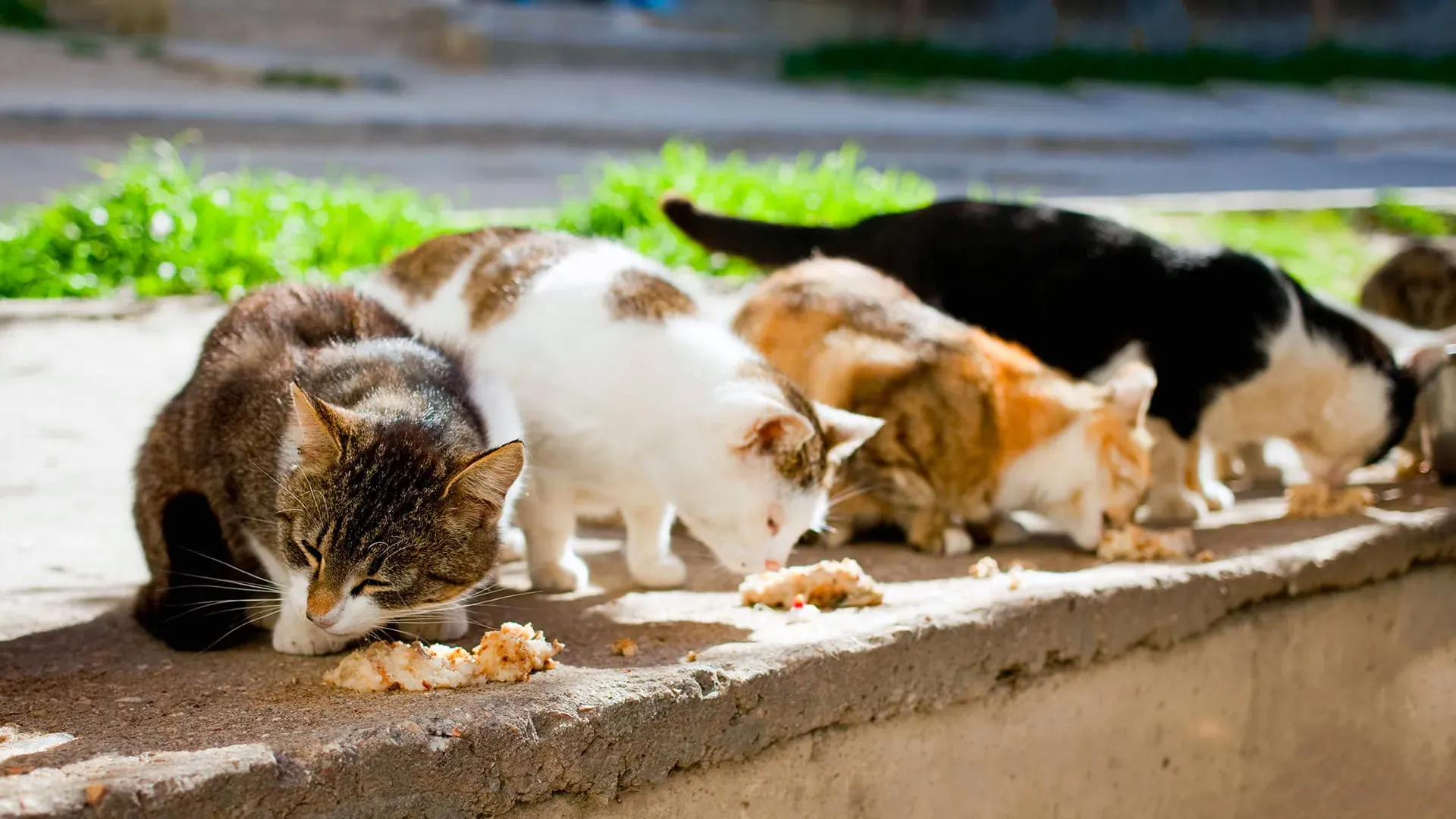
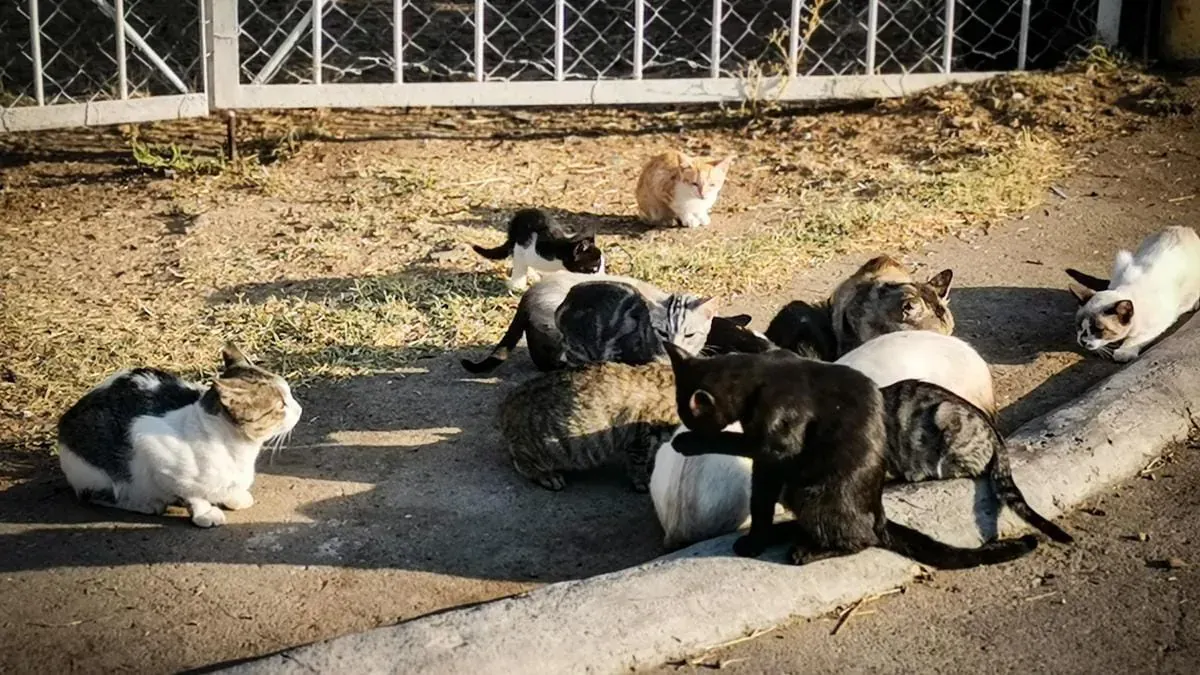
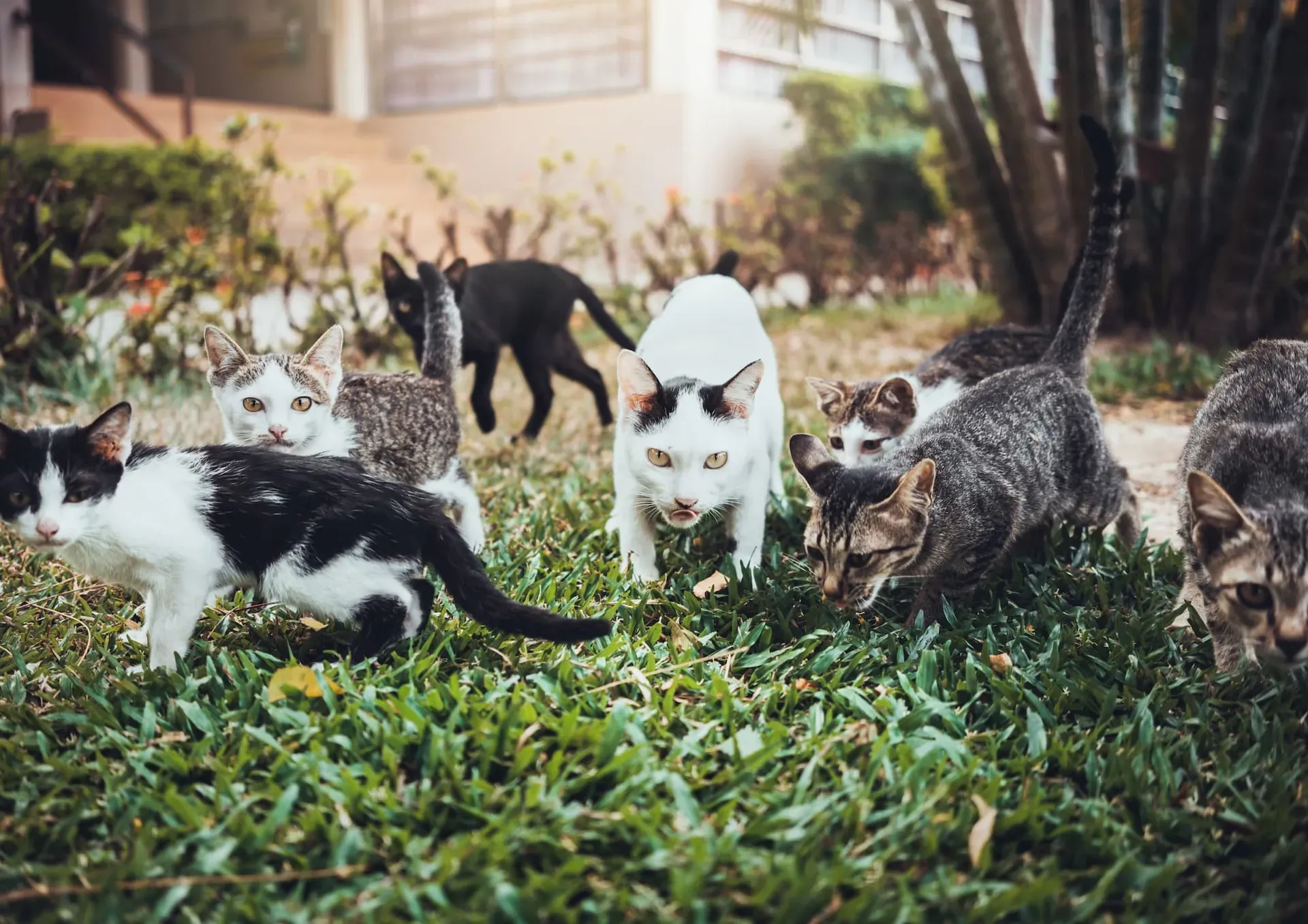
A cat colony is a group of community cats —although it can even consist of a single individual, since the presence of just one community cat linked to a territory is enough for it to be considered a colony—. These cats live freely, are tied to a territory and, because of their low or non-existent level of socialization, cannot be adopted as conventional pets. They are not abandoned cats in the strict sense, nor are they pets: they are urban wildlife that lives alongside people and that the law recognizes as deserving protection.
“Legalizing” a colony is not a one-off formality with a stamp and that is it. It is the process by which the colony goes from being a de facto tolerated reality —someone feeds it, nobody officially controls it— to being part of a Cat Colony Management Program recognized by the municipality: registered in a census, sterilized, under health supervision, and with an identified responsible person or organization.
Why does it matter to take this step?
- It legally protects whoever feeds and looks after the colony, preventing their activity from being interpreted as disguised abandonment or irregular feeding.
- It gives access to resources: grants, veterinary support, supplies (feeders, shelters and even food in some cases).
- It allows real, sustained population control over time, instead of scattered, goodwill-based management.
2. Legal framework: what Animal Welfare Law 7/2023 says
Law 7/2023 of 28 March on the protection of animal rights and welfare (consolidated text in the BOE) devotes a chapter specifically to cat colonies. These are the key points that directly affect legalization:
- Local governments are responsible for managing community cats. In other words, municipalities must develop Cat Colony Management Programs that include, at a minimum, the census, sterilization, identification, specific protocols for colonies on private land and citizen collaboration, with defined rights and obligations for caregivers.
- The autonomous communities must produce framework protocols that serve as a reference for municipalities, setting criteria for registration, feeding, sterilization and the installation of shelters or feeders.
- The TNR (Trap-Neuter-Return) method is the model recognized by the law for population control: the cat is captured, sterilized under veterinary supervision and returned to its original colony, where it continues to be monitored.
- The law also provides for national grant schemes aimed at local governments so that they can meet these obligations.
For practical questions about applying the law, the Ministry of Social Rights, Consumer Affairs and the 2030 Agenda publishes a frequently asked questions guide and a technical guideline for feline population management with uniform criteria for the whole of Spain.
It is worth being clear that responsibility on the ground lies with the municipality: each municipality develops its own program within the framework set by national law and, where applicable, the corresponding regional protocol.
3. Requirements to legalize a cat colony
Although the exact procedure varies from one municipality to another, most programs share four basic requirements:
Census and identification of the cats
The first step is to document the colony: how many cats it has, their health status, their exact location and whether or not they are neutered or identified (microchip). Without an up-to-date census there is no way to prove to the municipality that a real colony exists, nor to justify the veterinary actions carried out afterwards.
Sterilization (TNR protocol)
No colony management program is sustainable without sterilization. It is the central element of the TNR method, and the only legally recognized way to gradually reduce the cat population without resorting to culling or forced relocation, which the law itself restricts to very specific cases.
Notification or application to the municipality
The colony must be formally registered. This usually involves submitting an application or notification to the competent department (Health, Environment or Animal Welfare, depending on the municipality), together with the census and any veterinary reports available.
Appointing a responsible caregiver or organization
The municipality needs a clear point of contact: someone who takes charge of day-to-day monitoring, reports incidents (new, sick or missing cats) and acts as the communication channel between the colony and the administration.
4. Step by step: how to apply for the legalization of cat colonies
- Locate and document the colony: exact location, approximate number of cats, general health status and photographs if possible.
- Submit the application to the municipality or the competent department, providing the documentation above.
- Coordinate sterilization with accredited veterinarians or with the veterinary service contracted by the municipality itself.
- Register the colony in the municipal census, once the first round of sterilizations is complete.
- Keep up monitoring and regular reporting: new cats, losses, health incidents or neighbor conflicts, so that the municipality has up-to-date data and the colony continues to be considered active and under control.

5. How technology makes the whole process easier
This whole procedure —census, sterilization, notifications, monitoring— generates a huge amount of scattered information: paper notes, loose spreadsheets, WhatsApp messages with the municipality. This is precisely where a platform like Meow Metrics® adds real value, without replacing the administrative procedure but making each of its steps easier:
- Digital census: each cat is recorded with its file (location, status, history), accessible in real time by the caregiver, the municipality and the veterinary team.
- Traceability of the TNR protocol: who captured the cat, when it was sterilized, which veterinarian intervened. Everything is documented and auditable.
- Direct communication between caregiver, municipality and veterinarian: scattered channels are eliminated and the information needed to demonstrate compliance with Spain’s Law 7/2023 is centralized.
- Digital collaborator card: with the Municipality account, caregivers have their own digital collaborator card, linked to the collaborating organization. Sign-ups and withdrawals of collaborators are managed centrally from the responsible municipal department, in a matter of clicks. There is no need to rely on physical cards, which cost money and become obsolete, deteriorate or get lost.
The result is that traditionally hand-made work becomes a traceable public policy, with data that serves both to justify grants and to demonstrate to the municipality that the colony is properly managed.
6. Who can apply? Individuals, associations and caregivers
The legalization of a colony can be requested by an individual or by an animal protection association, depending on what each municipality allows. In both cases, the central figure is the colony caregiver.
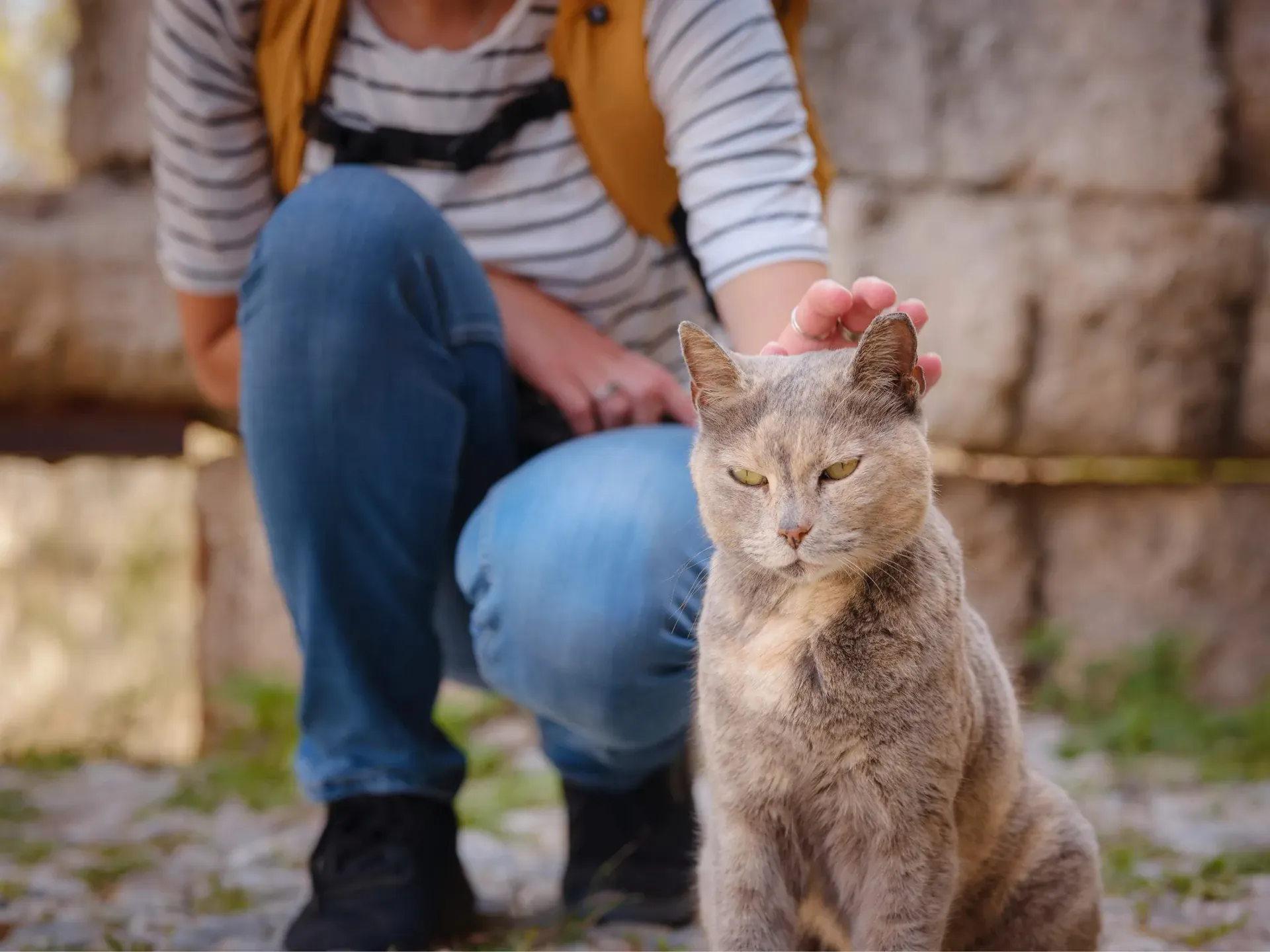
It is worth noting that this term —caregiver— describes the reality of the work more precisely than the more popular but imprecise “feeder”. Caregivers do much more than feed the cats; their usual duties include:
- Maintenance and cleaning of the colony.
- Observation and monitoring of the individuals present.
- Detecting new, missing or abandoned cats.
- Coordinating trapping for sterilization (TNR).
- Reporting health incidents or neighbor conflicts.
Acting individually is possible, but having the backing of an association usually makes dialogue with the local government easier, especially in large colonies or ones with several people involved in their care.
7. Common mistakes that delay legalization
- Outdated or non-existent census: without reliable data on how many cats there are and in what condition, the municipality has no basis for processing the application.
- Lack of coordination with the municipality: managing the colony in isolation, without reporting incidents or keeping a stable communication channel, makes it harder for the administration to recognize the colony as part of its program. If you need help coordinating with your local government you can contact us and we will help you with this process.
- Not documenting veterinary actions: every sterilization, identification or treatment should be recorded; otherwise, it is hard to prove that the TNR protocol is being followed when applying for a grant or justifying regulatory compliance.
8. Meow Metrics’ conclusion
Legalizing a cat colony involves four pieces that fit together: census, sterilization and identification, notification to the municipality and a caregiver responsible for monitoring. It is not an instant formality but an ongoing process that Spain’s Law 7/2023 requires to be documented and kept up to date.
The better organized the colony’s data is —who manages it, how many cats there are, what veterinary actions have been carried out—, the easier it is both to obtain municipal recognition and to access the grants available.
Are you a caregiver or part of an association? Download our free template for recording and monitoring a cat colony to start organizing your data today.
Do you work for a local government and need to set up or digitize your cat colony management program? Request a Meow Metrics demo and we will show you how to give full traceability to compliance with Spain’s Law 7/2023.