In short. A cat colony management programme is the framework that Article 39 of Spain’s Law 7/2023 requires town councils to have in place to manage their cat colonies: who does what, under which rules and with which resources. It should be based on a census and cover, at the very least, how colonies and colony caregivers are registered, their rights and obligations, feeding, cleaning, coordination and complex cases. It is best approved through an agile route (a resolution by the relevant department, a mayoral decree or the local government board), not by the full council, leaving only the stable rules for the municipal ordinance. Having it approved before the deadline was a requirement for Spain’s 2026 state grant.
To apply for Spain’s state grant for cat colony management, a town council must have its own ethical cat colony management programme approved. And not just anything will do: it must be approved before the application deadline closes, and an agreement with an animal welfare association does not count as a programme. That is what the 2026 call for applications established.
When I had to draft the programme for Collado Villalba (Madrid), there was practically nothing to lean on. We were working blind. Today the situation is very different: there are specialised professionals and consultants and, above all, an official reference guide, the Technical Guideline on cat population management published by Spain’s Directorate-General for Animal Rights (DGDA) in August 2024.
This is the third article in our Municipal TNR from scratch series. After where to start and the census, today we look at the document that shapes everything else: what a municipal cat colony management programme should include, how I did it and how to approve it without it becoming a problem. TNR stands for Trap–Neuter–Return, known in Spain as CER.
Programme, protocol, plan and ordinance: what each one is
These four terms are often used as synonyms, but they are not. Understanding the difference avoids many problems when it comes to approving them and, above all, changing them.
| Document | What it is | Who approves it | How often it changes |
|---|---|---|---|
| Municipal TNR programme | The working framework and the rules of the game: how the council manages its colonies, with which resources and with whom. It is the document required by Article 39 of Law 7/2023 | A resolution by the relevant department, a mayoral decree or the local government board | Reviewed when experience calls for it |
| TNR protocol | The trapping, neutering and return procedures, and everything that goes with them | Together with the programme or by departmental resolution | Adjusted with practice |
| Action plan | How the programme is put into practice day to day: priorities, schedule and resources to meet its goals | The department that runs the programme | Frequently, in light of the data |
| Municipal ordinance | The by-law that sets out citizens’ rights, duties and penalties | Always the full council, with its formal procedure | Rarely: only the most stable content |
The DGDA’s Technical Guideline is clear on this: programmes can be approved and developed without having to include them in ordinances. And it recommends putting into regulations only the aspects least likely to change, because amending a by-law is far more complex than amending a programme. That is exactly what I learned in practice.
Before you write: the census and the people
A programme is not written behind a desk. It is written on the basis of what is out on the street. That is why, as I explained in the article on the census, the first step is to know two things, even if only roughly at first and filled in later:
- How many cats and how many colonies there are in the municipality, and where.
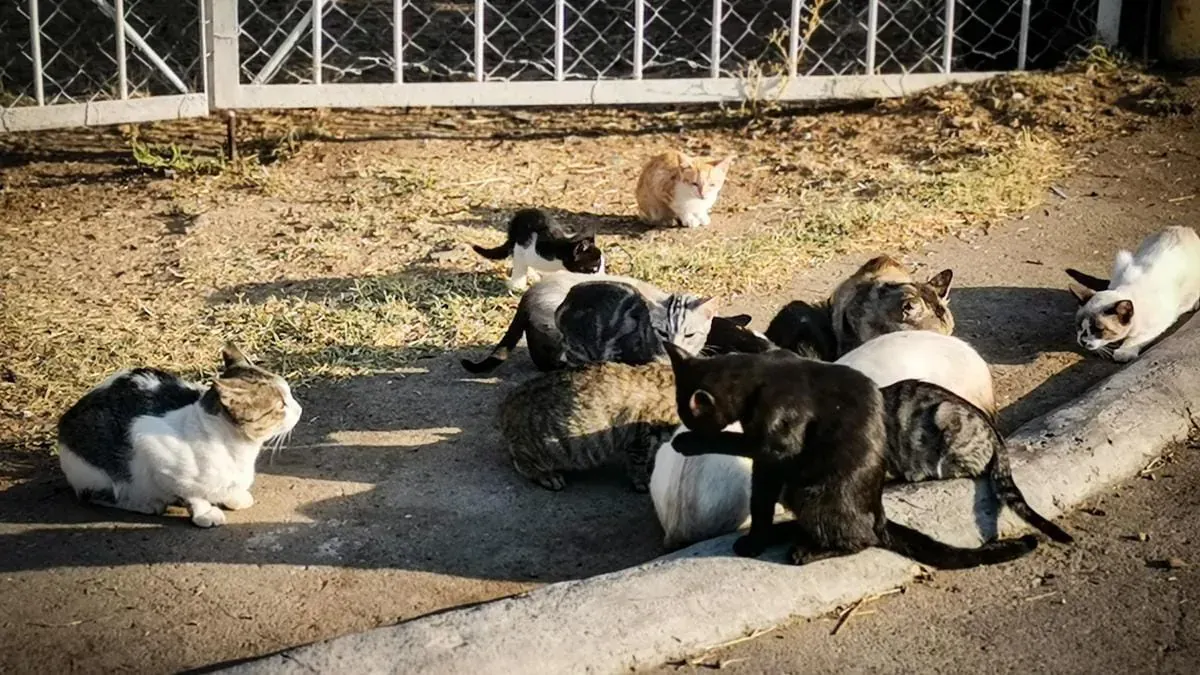
- How many people look after them. The colony caregivers or, as we like to call them, the environmental guardians: the people who go out every single day to feed the cats, check that the area is clean, spot any injured or sick cat and notice whether a new one has arrived or one is missing.
Without those two figures, the programme will be a generic document that does not reflect the reality of the municipality.
What helped me when there was nothing
In fairness, I want to mention the references that helped me when resources were scarce, and the few that existed were scattered:
- My own training. As a councillor, I took a course on cat colony management run by the IPA Instituto de Protección Animal. It gave me a very solid knowledge base.
- The DGDA. The Directorate-General for Animal Rights had only just been created, and I contacted it for advice on both the protocol and the ordinance. At the time they were drafting what would later become Law 7/2023, and they were able to share some of its criteria in advance. For example, that colonies on private estates and premises would be treated in the same way as those on public land (today, Article 39.1.d of the law), or that relocations would only be allowed in very specific cases (today, Article 42.7).
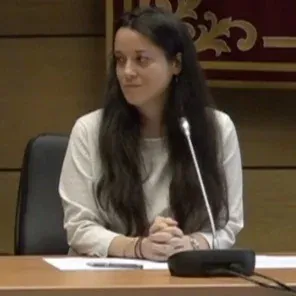
As councillor for Health of Collado Villalba Town Council (2019–2023).
Today, a council that is starting out has three options: rely on professionals or consultants, devote time to studying its own context and adapting the Technical Guideline, or combine both. Either way, the Guideline is the best checklist available.
What a cat colony management programme should include
These were the main sections of the protocol I had approved in Collado Villalba, the Protocol for the ethical management of cat colonies (in Spanish), which the council still publishes. One important caveat: it was approved before Law 7/2023, so some aspects may now be out of date. Even so, its structure remains, in my view, the core of any programme:
| Section | What it covers | How I did it in Collado Villalba |
|---|---|---|
| Registering colonies | How and by whom a colony is reported to the council, and which basic data are collected | An online procedure on the council’s e-office. It also gave us our first census |
| Registering colony caregivers | How they join the programme and are accredited | An online procedure on the e-office and registration by resolution of the Health department |
| Rights and obligations | What the council takes on and what the volunteers take on | Caregivers signed up to them when they registered |
| Feeding | Type of food and conditions | Dry food only. Human food prohibited. Wet food only on veterinary prescription, for trapping or to give medication |
| Cleaning | Obligations regarding the colony’s surroundings | Keep the feeding point and its surroundings clean |
| Communication and coordination | How incidents are reported and how the parties coordinate | With the council, the stray animal collection service and the trapping service |
And there is something the TNR protocol must not forget, because it is the very reason it exists. A TNR programme aims to reduce the number of cats living on the street: naturally, as neutered cats reach the end of their lives, and ideally also by taking sociable cats off the street. That is why the protocol must specify when a cat is returned to its colony and when it is not:
- It is returned to where it was trapped when its health allows and the vet does not prescribe a long recovery period.
- It is not returned when the cat is sociable and there is a chance of a foster home or of it entering the adoption route.
A volunteer corps, like Civil Protection
Registering colony caregivers is, for me, the heart of the programme. I always use the same analogy, because as well as Health I was also councillor for Civil Protection. In Spain, Civil Protection is a corps of municipal volunteers, duly accredited by the council, who carry out regulated and structured volunteer work.
A cat colony management programme can work in the same way: a regulated and structured corps of colony caregiver volunteers. And, if the council wishes, one that can be extended into a wider municipal environmental volunteer programme.
The effect on caregivers is huge. At last they feel listened to, protected and supported. They are part of a municipal programme and no longer working on their own. In return, they sign up to a clear set of rights and obligations.
To make that commitment real, I accompanied the publication of the protocol with three measures:
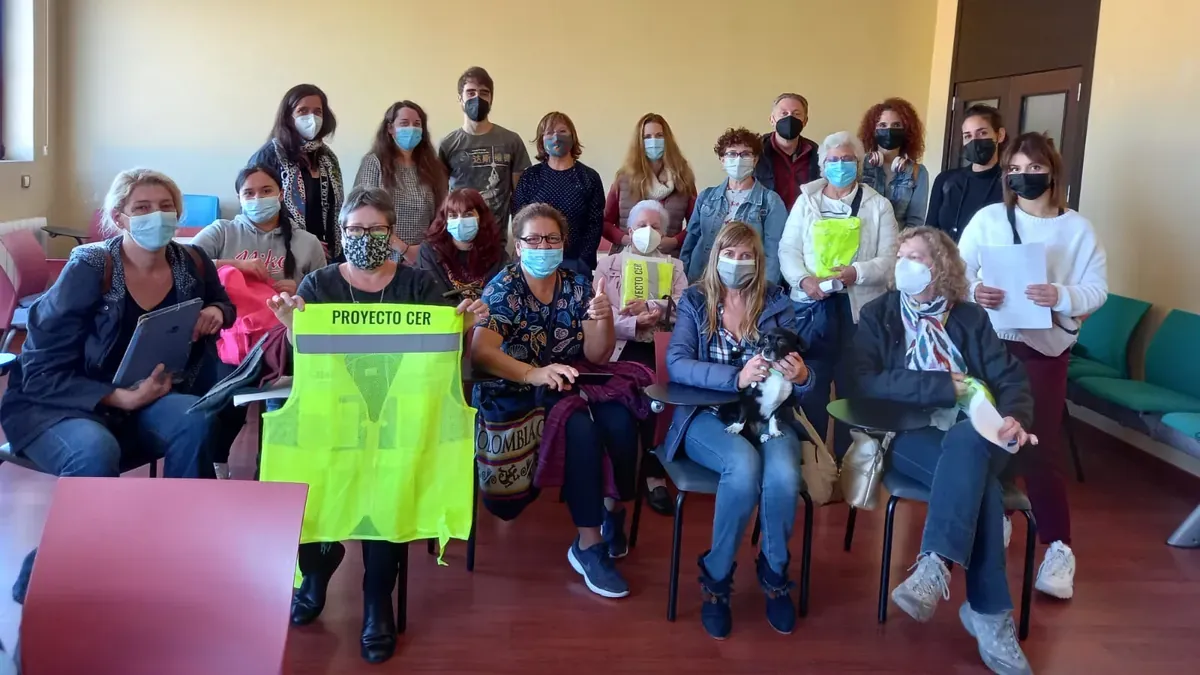
- A training course for the volunteers, to explain the new protocol and their rights, duties and obligations. We also used it to get to know each other, put faces to names and start working as a team with regular meetings.
- A ten-question multiple-choice test on the protocol’s provisions, which they had to pass. That way they showed beyond doubt that they knew it.
- A responsible declaration submitted with their application to join the programme, in which they committed to respecting the TNR protocol and the council’s instructions.
That gives both sides peace of mind: the council and the caregivers themselves. And it turns a historically informal relationship, because no framework existed, into a much more professional collaboration.
With one limit that must never be forgotten: they are volunteers. They are not employees and are not paid. They contribute out of goodwill. The programme should give them a framework, training and rights, without demanding obligations beyond what can reasonably be asked of volunteers. The message is simple: from now on we work together within a set of rules; the council provides its institutional backing and, in return, they respect the framework being built.
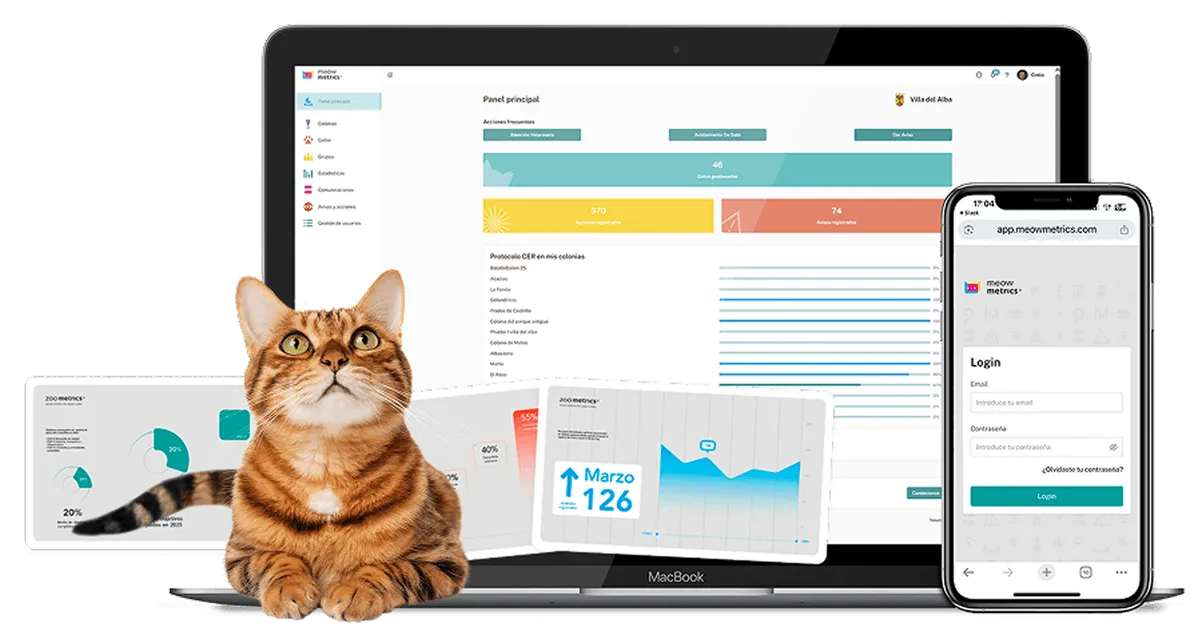
Many municipalities also give them a card that proves their status as volunteers. We gave them the department’s resolution so they could carry it whenever they wished. Today, in Meow Metrics the card is digital and included in the service. It can replace the physical card or complement it, and it makes managing registrations and departures, which also happen, much easier.
What the Technical Guideline adds today
On top of that core, the DGDA’s Technical Guideline proposes completing the programme with other elements. Among them:
- A preliminary diagnosis phase: territory, cat population and available resources.
- A coordinating unit that acts as the point of contact and oversees the protocols.
- Registers of colonies and of caregivers.
- Training and accreditation for caregivers and municipal staff.
- A procedure for mediating neighbour disputes.
- Specific protocols: health, sick or injured cats, building works, sensitive areas, relocations and emergencies.
- Indicators to measure results.
You do not need all of this on day one. But it helps to know where to grow.
A programme of your own: every council is different
My advice as a former councillor is that every council should have its own programme. A template can be a good starting point: there are free templates in circulation, some provincial veterinary associations in Spain have published theirs and many municipalities publish their own online. But it must be adapted, no matter what, because the differences between municipalities are enormous:
| Factor | Situations the programme should cover |
|---|---|
| Local associations | One association; several, coordinated or not; none, only individual volunteers; or a mix of association members and individuals who do not want to join one |
| Climate | In coastal and island municipalities in eastern Spain, longer daylight hours extend breeding seasons and litters. Inland, with more marked seasons, breeding and litters are concentrated in a few months and stop in the coldest part of winter. That determines when to concentrate trapping and neutering |
| Veterinary service | Collaborating local clinics, or a TNR service contracted out to a company or an association |
| Contracts | TNR included in the stray animal collection contract, or two separate contracts with different companies |
| Trapping | Done by the contracted service, or the caregivers themselves trap the cats, take them to the clinic and return them to the colony |
If resources are limited and you want to start soon, there are two sensible routes. One is to hire a specialised consultant: in Spain there are professionals with a great deal of experience and technical expertise, and if you ask us, we will gladly recommend several, frankly and with no strings attached. The other is to start from a template by a veterinary association or another municipality and adapt it.
Either way, what matters comes afterwards: planning, measuring results and changing what does not work. At Meow Metrics, for example, we analyse the real data recorded by each municipality’s caregivers on a monthly or yearly basis and suggest how to update the management plan to match what is really happening on the street.
How to approve the programme: flexibility first
If there is one piece of advice I would give any councillor, it is this: approve it in a way that lets you change it.
When a municipality launches its first cat colony programme, it is normal for new needs or adjustments to emerge a few months in. It is part of the learning process. That is why I approved it by resolution of the Health department. It was fully valid, but agile enough to amend whenever needed.
The programme, the protocol and the action plan can be approved by resolution of the relevant department: Health, Environment or Animal Welfare, depending on how each council is organised. They can also be approved by mayoral decree or by the local government board. These routes are equally valid, although they add some complexity.
What I would not recommend is approving them at a full council meeting. Any later change would have to go back to the full council and require agreement across the whole chamber, government and opposition alike. That is not the agility you need, especially at the start, when adjustments are very likely.
That said, I do recommend going one step further and updating the ordinance. It is a good opportunity to update the local ordinance on domestic and companion animals. Ideally, it should state that a TNR programme is in force and that it governs the management of cat colonies and the rights and duties of residents and volunteers, but without going into detail: the detail is in the programme itself. The ordinance does have to go through the full council, without exception. But by sticking to the essentials, it will not need amending every time a detail of the protocol changes.
That is what I did in Collado Villalba. We updated the animal ownership ordinance, which dated from 2002: the full council gave it initial approval on 28 April 2022 and, after the public consultation period passed without objections, the new ordinance was published in the Official Gazette of the Community of Madrid (BOCM) on 19 October 2022 (in Spanish). For the first time it included a dedicated chapter on the ethical management of cat colonies (Articles 33 to 35). That chapter recognises the programme, requires every person or organisation managing colonies to be registered and accredited, and refers the procedures to the TNR protocol in force issued by the Health department. In other words, it recognises the programme without detailing it.
It is also the same approach set out in the Technical Guideline: stable rules go in the by-law; what needs to adapt goes in the programme.
The mistakes I made (and that you can avoid)
I made many, and I believe sharing them is the most useful part of this article. The main one was not anticipating complex cases, which also happen to be among the most common. I had to deal with them suddenly, without a written procedure:
- Neighbour disputes. What to do when a complaint comes in, and how to act with both the volunteer and the neighbour.
- Colonies on building sites. What happens when a colony is on a vacant plot or a site where works are about to start.
- Colonies on private land. How to proceed when the colony is not on public land. Today the law requires them to be managed to the same standards as those on public land (Article 39.1.d).
- Relocations. How to move a colony in the exceptional cases provided for by the law (Article 42.7): when life outdoors is incompatible with the cat’s wellbeing, affects protected natural areas or protected wildlife, or poses a risk to people’s health or safety.
- Breaches of the protocol. The protocol already allowed the authorisation to be withdrawn if commitments were not met, but it did not set out the procedure: what counts as a breach, who verifies it and how it is communicated.
That last point is a sensitive one, and that is precisely why it must be written down. The clearer and more structured the collaboration framework, the less room there is for misunderstandings or bad faith, on either side.
Today there is no need to improvise: the Technical Guideline includes specific protocols for building works, private locations, relocations and conflict mediation. My advice is to include them from the very first version of the programme, even in a simple form.
The programme and Spain’s state grant
The 2026 state call for applications for local authorities set the following conditions regarding the programme:
- Only councils with an ethical cat colony management programme approved by the local authority could apply.
- The programme had to be approved before the application deadline closed.
- Agreements, contracts or service orders with associations, veterinary associations or other organisations did not count as a programme.
- A direct link to the programme was accepted as proof, with its content in Spanish and its approval date.
- Provincial councils, county councils and associations of municipalities could apply as long as the municipalities concerned had their own programme.
If your municipality wants to apply for the next call, the time to prepare the programme is now, not when the call is published. The 2026 call was published in April and closed in June. If the conditions stay the same, a programme that is not approved in time leaves the council out.
And, as we saw in the article on the census, competition is very fierce: only around 3% of applications in the latest call have been proposed for funding. To prepare yours, download our free guide to winning the cat colony grant.
To get your programme started
If I had to sum up our experience in one idea, it would be this: the best programme is the one that fits the reality of the municipality and works as a living document, which adapts and grows as the programme itself grows. One that makes it possible to produce tailored action plans based on real data and evidence. And one that rests on a stable higher framework, the ordinance, which recognises it without going into detail.
- Start from the census, even an initial one: cats, colonies and people. You can start with our free Excel census template.
- Read the Technical Guideline as a checklist, and adapt whatever fits your municipality.
- Start with the core: registering colonies, registering caregivers, rights and obligations, feeding, cleaning and coordination.
- Approve it through an agile route, one that lets you adjust it with experience.
- Put only the stable rules in the ordinance: recognition of the programme and the basic rights and duties.
- Keep the grant calendar in mind: the programme must be approved before the deadline closes.
What about your municipality? Do you already have an approved programme? If so, what was hardest: drafting it, approving it or putting it into practice?
In the next article in the series I will talk about training and accrediting colony caregivers: how I trained them, the test I gave them and the municipal card.
if you would like to see how colony and caregiver registrations, and their digital cards, are managed in a municipal programme.
And if you would like to explore any point in this article in more depth, or have us recommend professionals to draft your programme, write to us with no strings attached through our website.
Series “Municipal TNR from scratch”: 1. Where to start · 2. The census · 3. The municipal programme (this article) · 4. Training and accrediting caregivers (coming soon).
Frequently asked questions
Does a town council have to have a cat colony management programme?
Yes. Article 39 of Spain’s Law 7/2023 makes local authorities responsible for managing cat colonies through programmes. Having the programme approved was also a requirement for Spain’s 2026 state grant.
What is the difference between a TNR programme, a TNR protocol, an action plan and an ordinance?
The municipal TNR programme is the working framework and rules of the game required by law. The TNR protocol sets out the trapping, neutering and return procedures. The action plan puts the programme into practice day to day and is what changes most. The ordinance is a by-law approved by the full council that sets out rights, duties and penalties, and is best reserved for the most stable content.
Who approves a cat colony management programme?
It can be approved by resolution of the relevant department (Health, Environment or Animal Welfare), by mayoral decree or by the local government board. The DGDA’s Technical Guideline states that programmes can be approved without including them in ordinances. Approving it at a full council meeting is not advisable, because every adjustment would have to go back to the full council.
What should a cat colony management programme include?
At the very least: the procedure for registering colonies and colony caregivers, their rights and obligations, feeding and cleaning rules, and coordination with the council and the collection and trapping services. The Technical Guideline adds registers, training, conflict mediation, specific protocols and indicators.
What can colony cats be fed?
Under the Collado Villalba protocol, dry food only. Human food was prohibited and wet food was reserved for veterinary prescriptions, trapping or giving medication. The Technical Guideline also recommends making dry food mandatory.
Does an agreement with an association count as a management programme?
Not for Spain’s state grant. The 2026 call established that agreements, contracts or service orders with associations or other organisations are not valid as a programme. The programme must be approved by the local authority itself.
How are colony caregivers accredited?
Through a procedure for joining the municipal programme and a resolution or card that proves it. It works like a regulated volunteer corps, along the lines of Civil Protection. With tools such as Meow Metrics, the card can be digital.
Can we use another municipality’s programme as a template?
Yes, as a starting point. Some veterinary associations and many councils publish free templates. But it must be adapted to the municipality: local associations, climate, veterinary and trapping services and contracting arrangements vary greatly from place to place.
Which complex cases should the programme cover?
At the very least: neighbour disputes, colonies on building sites, colonies on private land, relocations in the cases allowed by law and breaches of the protocol, including withdrawal of the municipal authorisation. The DGDA’s Technical Guideline includes specific protocols for most of them.
About the author
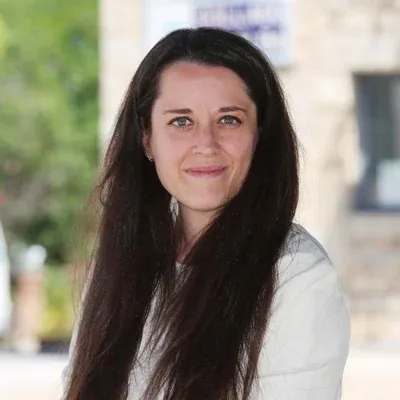
Diana Barrantes Olías de Lima is Founder and COO of Zoometrics, the company behind Meow Metrics. She was a volunteer cat colony caregiver and, from 2019 to 2023, councillor for Health of Collado Villalba Town Council (Madrid), where she set up the municipal TNR programme from scratch, had its protocol approved and updated the responsible animal ownership ordinance. She has long experience in the public sector and works with 52 Spanish municipalities on managing their urban wildlife (data taken on 12 November 2026).